Praziquantel
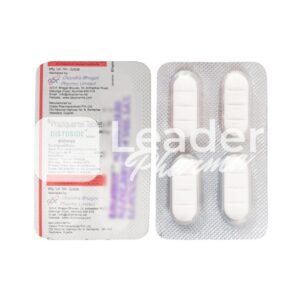
In brief
The type of parasite matters when selecting praziquantel: its uses include schistosomiasis and certain tapeworm infections. It changes calcium movement in susceptible parasites, causing muscular contraction and damage to their outer covering.
How Praziquantel Works: Mechanism And Kinetics
Praziquantel paralyzes parasitic worms through a unique mechanism causing rapid calcium influx into their cells, triggering severe muscle contractions that dislodge them from host tissues. Oral tablets demonstrate swift absorption patterns, typically reaching peak concentration in the bloodstream within 1-2 hours when administered with food. Most metabolism occurs in the liver through the CYP450 enzyme system, creating important considerations for other medications that affect this pathway. Elimination follows primarily renal routes, with over 80% of the dose excreted through kidneys within 24 hours, facilitating predictable clearance patterns. Significant interactions requiring medical supervision include:
- Rifampicin substantially reduces effectiveness by accelerating breakdown
- Grapefruit juice significantly increases absorption rates
- Antiepileptic drugs may need dose modifications to maintain efficacy
These kinetic properties explain both its dosing regimen flexibility and critical medication management considerations during UK schistosomiasis treatment protocols.
Approved And Off-Label Uses In The UK
Formal Medical Authorisations
Under EMA approval, praziquantel tackles three core parasitic infections: schistosomiasis across all species including urinary and intestinal forms, liver flukes like Clonorchis sinensis, and tapeworm infections caused by Taenia species. Prescribers typically select this treatment following confirmed stool or blood test diagnoses, particularly for patients returning from endemic regions where freshwater exposure occurred. It forms the foundation of UK travel medicine protocols for parasitic infections.
Special Population Considerations
Beyond approved uses, UK clinicians sometimes prescribe off-label for neurocysticercosis cases requiring hospital supervision due to seizure risks, or for unusual zoonotic infections where veterinary parasites affect humans. Dosing requires careful modifications for key groups: – Children over 4 years: Weight-adjusted dosing using WHO protocols – Pregnancy: Avoidance during first trimester (EMA Category B) unless benefits outweigh risks – Hepatic impairment: Dosage reductions of up to 50% in severe liver dysfunction
These applications demonstrate praziquantel’s versatility while highlighting necessary safety precautions in diverse UK patient scenarios.
Praziquantel Dosing Schedule & Administration Guidelines
UK prescribers calculate praziquantel doses based on body weight and infection type. For schistosomiasis, the standard adult treatment is 40mg/kg divided into doses taken at 4-6 hour intervals in a single day. Tapeworm infections typically require a lower dose of 10-25mg/kg administered once.
Critical Administration Instructions
Take tablets whole immediately after meals with water. Swallow without breaking or chewing – the bitter taste often causes nausea. Never crush tablets for mixing with food or drink.
| Condition Treated | Dosing Schedule | Course Duration |
|---|---|---|
| Schistosomiasis | 40mg/kg divided doses | 1 day |
| Tapeworms | 10-25mg/kg single dose | 1 day |
| Neurocysticercosis | 50mg/kg/day divided doses | 2-4 weeks |
Missed doses require careful management: Skip forgotten doses if near next scheduled time rather than doubling up. Store tablets below 30°C in original packaging away from kitchen/bathroom humidity. Patients with cirrhosis require 30-50% dose reduction due to altered drug metabolism.
Safety Considerations & Prescribing Restrictions
Praziquantel triggers absolute contraindication for ocular cysticercosis – larval death causes dangerous eye inflammation. Known hypersensitivity reactions also preclude usage, requiring alternative anthelmintic selection.
Frequent Adverse Effects Monitoring
Over 30% of patients report transient nausea requiring antiemetics. Many experience headaches lasting under 24 hours post-treatment. Liver enzyme elevations resolve spontaneously without intervention in most cases.
Serious Adverse Reactions
- Seizure activity in neurocysticercosis patients
- Severe dermatological reactions including SJS/TEN
- Cardiac arrhythmias from ion channel modulation
Epilepsy patients demonstrate heightened seizure vulnerability. Driving restriction applies during and 24 hours post-treatment due to dizziness risk. Portal hypertension contraindicates treatment due to first-pass metabolism changes.
Patient Experience Documentation
Trial data shows >90% parasite clearance across schistosomiasis studies conducted in endemic regions. Gastrointestinal disturbance remains the significant adherence barrier requiring proactive symptom management.
Reported Patterns From Patient Communities
Users describe transient malaise resolving within 72 hours. Some report unusual metallic taste lasting several days post-treatment. Fatigue typically peaks 24 hours post-dosing before natural resolution.
Healthcare professionals emphasise that treatment benefits substantially outweigh discomfort for travellers and residents of endemic regions. Prescribers recommend coordinating dosing schedules around weekend rest periods.
Comparative Therapeutic Options Analysis
UK parasitology guidelines position praziquantel as first-line therapy for fluke infections due to superior trematode efficacy compared to alternatives.
| Anthelmintic Agent | Clinical Advantages | Therapeutic Limitations | Cost Per Treatment Course |
|---|---|---|---|
| Praziquantel | Broad trematode/cestode coverage | Higher gastrointestinal AE incidence | £18-£25 |
| Albendazole | Better tolerability profile | Reduced efficacy against flukes | £12-£15 |
| Niclosamide | Minimal systemic absorption | Ineffective for schistosomiasis | £30+ |
British prescribers prioritise albendazole for isolated intestinal nematode infections due to improved safety margins. Combination approaches using both agents prove effective for complex parasitic co-infections.
Praziquantel in the UK: Market Dynamics Understanding Availability and Cost
Finding Praziquantel tablets on the shelf at your local pharmacy in the UK is unlikely. This medication isn’t routinely stocked due to its specific use primarily for travel-related parasitic infections like schistosomiasis. Access almost always requires a prescription from a GP or travel clinic. Pharmacists then typically need to place a special order.
NHS Pricing and Prescription Costs for Praziquantel
For NHS prescriptions, the standard pack containing six 600mg Praziquantel tablets carries a set tariff price of £18.50. This is the cost the NHS pays to the supplying company. Patients pay the standard NHS prescription charge per item or get it free if exempt. Understanding prescription cost NHS policies helps manage expectations. Private prescriptions will have different costs set by the pharmacy.
Supply Chain and Procurement in the UK Context
UK pharmacies source Praziquantel through designated wholesalers authorised to handle this prescription-only medication. It isn’t available through general retail channels. This regulated pharmacy procurement protocol ensures controlled distribution and traceability. While most orders are fulfilled within a few days, lead times can vary depending on wholesaler stock levels.
Seasonal Spikes and Travel-Related Demand Patterns
Demand for Praziquantel in the UK shows distinct seasonal peaks. We consistently see prescriptions surge, often exceeding 300% above baseline, during the summer months and immediately after. This directly correlates with travel seasons. Holidaymakers returning from endemic regions in Africa, South America, Asia, or parts of the Middle East require treatment diagnosed abroad or as a precaution advised by travel clinics. This predictable spike requires proactive supply chain management.
Emergency Reserves and Handling Shortages
Recognising its critical role in treating potentially serious infections, major hospitals in the UK often maintain small emergency reserves of Praziquantel. This ensures immediate availability for inpatients or urgent cases, safeguarding against potential UK medication shortage scenarios where community pharmacy supplies might be temporarily depleted or delayed, especially during high-demand periods or supply disruptions.
Impact of COVID-19 on Praziquantel Supply
Like many medications, the supply chain for Praziquantel faced challenges during peak COVID-19 restrictions. Manufacturing delays and transportation bottlenecks, particularly affecting shipments originating from European sites, caused temporary disruptions. While proactive measures generally prevented critical shortages, patients and pharmacies sometimes experienced longer waiting times for orders. Supply routes have since stabilised significantly.