Rifaximin
In stock
200mg · 400mg
from 26,70 £
In brief
- Rifaximin is an antibiotic that stays almost entirely in the bowel, acting on bacteria in the gut with very little absorbed into the bloodstream.
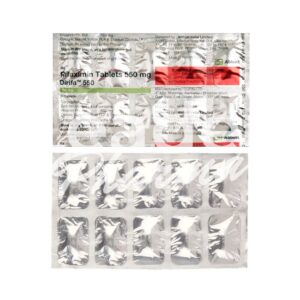
- Strengths on this page are 200 mg and 400 mg tablets, each in packs of 30, 60, 90 or 180.
- In the UK it is used for uncomplicated travellers’ diarrhoea and to reduce relapses of hepatic encephalopathy in liver disease.
What rifaximin is and how it acts
Rifaximin is a member of the rifamycin family of antibiotics. It blocks bacterial RNA synthesis, which stops susceptible organisms from multiplying. Unlike most antibiotics, it is barely absorbed from the gut: less than one per cent of a dose reaches the circulation. That keeps its action focused on the intestine, limits effects elsewhere in the body and explains why it is used for bowel-related problems rather than chest or urinary infections.
Licensed uses in the UK
Two rifaximin products are licensed here, each for a distinct purpose. The 200 mg tablet (brand name Xifaxanta) treats travellers’ diarrhoea in adults, but only when there is no fever, no blood in the stools and fewer than eight loose motions a day; it is not effective against invasive germs such as Campylobacter, Salmonella or Shigella. The 550 mg tablet (brand name Targaxan) is used in adults with liver disease to reduce the return of overt hepatic encephalopathy, the confusion and drowsiness caused when the liver cannot clear toxins produced by gut bacteria. It is commonly taken alongside lactulose.
Strengths, packs and dosing
This listing offers 200 mg and 400 mg tablets, each in packs of 30, 60, 90 or 180. For travellers’ diarrhoea the SmPC dose is one 200 mg tablet every eight hours for three days, nine doses in all, and the course should not be extended or repeated even if symptoms persist. For hepatic encephalopathy, the licensed regimen is 550 mg twice daily, a strength not offered on this page. A 400 mg tablet is not a UK-licensed strength; it is an imported product. The tablets can be taken with or without food. The appropriate strength and length of treatment are decided by your prescriber.
Legal category and suppliers
Both UK products are prescription-only medicines (POM) from Norgine. Hepatic encephalopathy treatment is normally started by a hospital liver team and continued in primary care, while the travellers’ diarrhoea indication is for short courses only.
Who should not take it
The tablets are unsuitable for anyone allergic to rifaximin or other rifamycins such as rifampicin or rifabutin, and the Targaxan SmPC also lists intestinal obstruction as a contraindication. People with severe liver impairment are monitored more closely. Rifaximin may alter INR readings in patients on warfarin, so extra checks are advised when starting or stopping it. The SmPC also notes that it could make the combined contraceptive pill less effective, and additional precautions are sensible. Ciclosporin can sharply raise blood levels of the antibiotic.
Side effects
Reported reactions include dizziness, headache, nausea, abdominal pain, bloating, wind, constipation and an urge to open the bowels. Some people notice reddish discolouration of the urine, which is harmless. As with any antibiotic, persistent watery diarrhoea during or after treatment can signal Clostridioides difficile infection and should be reported. Severe skin reactions are very rare but need urgent medical attention. Anyone with liver disease who notices worsening confusion, unusual sleepiness or a change in personality should be seen quickly, as these can be signs that encephalopathy is returning despite treatment.
Sensible use
With diarrhoea, replacing lost fluids with oral rehydration salts remains the priority, and high fever or blood in the stools means seeing a doctor. Good hand hygiene and care with food and drinking water while abroad remain the most reliable protection. This antibiotic is not recommended for children or pregnant women unless clearly needed. Whether it suits your situation is for your doctor to decide.