Fluvoxamine
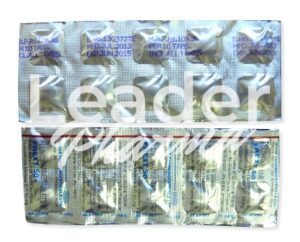
In stock
50mg · 100mg
from 37,57 £
In brief
- Fluvoxamine is an SSRI antidepressant licensed in the UK for major depression and for obsessive-compulsive disorder (OCD).
- Available here as 50 mg tablets (packs of 30 to 360) and 100 mg tablets (packs of 30 to 240).
- It strongly affects the liver enzymes that clear several other drugs, so tell your prescriber about everything you take.
Fluvoxamine: an SSRI for low mood and OCD
Fluvoxamine is a selective serotonin reuptake inhibitor. It raises the amount of serotonin available between nerve cells, which over time can lift mood, ease anxiety and loosen the grip of intrusive thoughts and repetitive rituals. According to the UK SmPC, it is licensed for major depressive episodes in adults and for obsessive-compulsive disorder in adults and in children from eight years. It is one of the older SSRIs and is used less often than sertraline or fluoxetine, but it remains a recognised choice, particularly in OCD.
Tablet strengths and pack sizes
This listing includes 50 mg tablets in packs of 30, 60, 90, 120, 180 and 360, and 100 mg tablets in packs of 30, 60, 90, 120, 180 and 240. Both strengths match those licensed in the UK, where the scored film-coated tablets are sold under the brand name Faverin and as generic fluvoxamine maleate.
Typical doses in depression and OCD
In depression, adults usually begin on 50 or 100 mg once daily in the evening; 100 mg is the commonly effective dose, and it may be increased gradually according to response. In OCD, treatment starts at 50 mg a day, and most adults need between 100 and 300 mg daily. For children aged eight and above with OCD, the SmPC advises 25 mg a day initially, with a ceiling of 200 mg. Up to 150 mg may be taken as a single evening dose, while larger daily totals are split into two or three doses. The maximum for adults is 300 mg per day. Improvement in mood typically takes two to four weeks, and OCD symptoms may take longer still; treatment then usually continues for at least six months. Your doctor sets the dose and how long to keep going.
Prescription status in the UK
Fluvoxamine is a prescription-only medicine (POM). It is not to be used for depression in anyone under 18, and the patient leaflet stresses that starting, changing or stopping the dose should always be done under medical supervision.
Important interactions and contraindications
Never combine this medicine with an MAOI, including linezolid, or start it within two weeks of finishing an irreversible MAOI. Tizanidine and ramelteon are also contraindicated. Fluvoxamine is a potent inhibitor of the liver enzymes CYP1A2 and CYP2C19, so it can push up levels of theophylline, clozapine, olanzapine, ropinirole, warfarin and even caffeine; cutting back on coffee and cola often reduces jitteriness and poor sleep. Taking it with other serotonergic drugs such as tramadol, triptans, lithium or St John’s wort raises the risk of serotonin syndrome. Combining it with aspirin, NSAIDs or anticoagulants increases the chance of bleeding.
Side effects to know about
Nausea, sometimes with vomiting, is the most frequent reaction and tends to fade after the first fortnight. Drowsiness, headache, dizziness, dry mouth, constipation, sweating and sleeplessness are also common. A small number of people feel more restless or anxious in the early weeks. Young adults in particular should be watched for suicidal thoughts, and anyone experiencing them should contact a GP or attend A&E. Low sodium can occur in older people, and the medicine may affect sexual function.
Stopping and daily use
Swallow the tablets with water, without chewing. Stopping abruptly can trigger dizziness, tingling, irritability and disturbed sleep, so the dose is normally reduced gradually over at least one to two weeks. Avoid alcohol and be cautious when driving until you know how fluvoxamine affects you. Only your doctor can decide whether it is the right antidepressant for you.