Etoricoxib
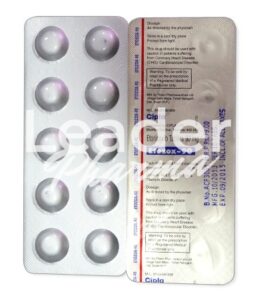
In stock
60mg · 90mg · 120mg
from 27,02 £
In brief
- Etoricoxib is a COX-2 selective anti-inflammatory medicine for arthritis pain, acute gout and short-term dental pain.
- Tablets of 60 mg, 90 mg and 120 mg are offered in packs of 30, 60, 90, 120, 180 or 240.
- One tablet a day is taken, and the highest permitted dose depends on the condition being treated.
Etoricoxib: a selective COX-2 inhibitor
Etoricoxib belongs to the coxib group of non-steroidal anti-inflammatory drugs. It selectively blocks cyclo-oxygenase-2, the enzyme that drives prostaglandin production at sites of inflammation, while sparing much of the COX-1 activity that protects the stomach lining. In the UK it is licensed for adults and adolescents aged 16 and over to relieve the symptoms of osteoarthritis, rheumatoid arthritis and ankylosing spondylitis, for the pain and swelling of acute gouty arthritis, and for a short spell of moderate pain after dental surgery.
Etoricoxib tablets and Arcoxia in the UK
You can pick 60, 90 or 120 mg tablets here, with box sizes running from 30 to 240. They are an imported generic, and this brand holds no UK licence. The original UK product is Arcoxia from Organon, in 30, 60, 90 and 120 mg strengths, and generic film-coated tablets are licensed from several makers. Every etoricoxib product in the UK carries POM status, so a prescription is needed.
Daily ceilings set out in the SmPC
A single daily dose is the rule for every indication, and meals make no difference to it. For osteoarthritis the usual dose is 30 mg, which may be raised to a maximum of 60 mg. Rheumatoid arthritis and ankylosing spondylitis start at 60 mg, with 90 mg as the ceiling. Acute gout is treated with 120 mg daily for no more than eight days, and pain after dental surgery with 90 mg for up to three days. The 120 mg strength is therefore intended solely for short gout courses. Mild liver impairment limits the dose to 60 mg a day, moderate impairment to 30 mg, and severe impairment excludes the medicine altogether.
Circulation, gut and kidney cautions
Etoricoxib must not be used with established ischaemic heart disease, peripheral arterial or cerebrovascular disease, heart failure (NYHA II to IV), or blood pressure persistently above 140/90 mmHg that is not adequately controlled. Further contraindications are an active stomach ulcer or bleeding, inflammatory bowel disease, creatinine clearance under 30 ml/min, asthma or allergic reactions triggered by aspirin or other NSAIDs, pregnancy and breastfeeding. Blood pressure is checked within two weeks of starting and periodically afterwards. Because the risk of heart attack and stroke may rise with dose and duration, the lowest effective dose is used for the shortest time.
Warfarin, aspirin and other interacting drugs
The INR can rise in people on warfarin, so clotting is followed closely. Combined with low-dose aspirin, the risk of stomach ulcers increases, and other NSAIDs should be avoided. The effect of ACE inhibitors, sartans and diuretics may be weakened and kidney function may suffer. Lithium and methotrexate levels can rise, ciclosporin and tacrolimus may become more harmful to the kidneys, and rifampicin markedly lowers etoricoxib levels. The medicine also increases exposure to the oestrogen in combined contraceptives and HRT.
Indigestion, swelling and blood pressure changes
Stomach ache is the reaction listed as very common for etoricoxib. Common effects include indigestion, heartburn, nausea, diarrhoea, wind, mouth ulcers, oedema and fluid retention, raised blood pressure, palpitations, dizziness, headache, tiredness, bruising and raised liver enzymes. Black stools, vomiting blood, chest pain or a spreading rash require urgent attention. The choice of dose and length of treatment rests with the prescriber.