Indocin
In stock
25mg · 50mg · 75mg
from 14,26 £
In brief
- Indocin is a trade name for indometacin, a strong non-steroidal anti-inflammatory drug used for inflammatory joint pain and acute gout.
- Capsules of 25 mg, 50 mg or 75 mg, in packs from 30 to 360.
- Indometacin is a prescription-only (POM) medicine in the UK; Indocin is not a UK brand.
Indocin and the inflammatory conditions it treats
Indocin contains indometacin (spelt indomethacin in older texts), one of the more potent NSAIDs. It blocks the enzymes that make prostaglandins, the chemical messengers that drive pain, swelling and heat in inflamed tissue. The UK SmPC for indometacin lists active rheumatoid arthritis, osteoarthritis, ankylosing spondylitis, degenerative disease of the hip, low back pain, acute musculoskeletal disorders and acute gout, as well as inflammation and swelling after orthopaedic procedures and period pain due to primary dysmenorrhoea. It is often chosen where night pain and morning stiffness are a particular problem.
Strengths offered and UK availability
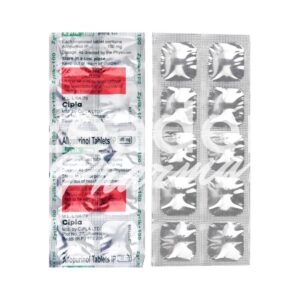
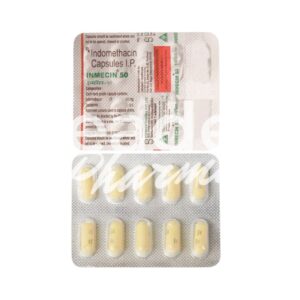
The 25 mg and 50 mg strengths come in packs of 30, 60, 90, 120, 180 or 360, and the 75 mg strength adds a pack of 270. The capsules in the product photo are an imported generic, and Indocin is not a UK-licensed brand name. In the UK indometacin is POM. The electronic medicines compendium currently lists indometacin 100 mg suppositories, and generic oral capsules are also prescribed. With three strengths on offer, the prescriber specifies which capsule to use and how many make up the daily total.
Dosing principles
The dose is tailored to each person and kept as low as possible for the shortest time that controls symptoms. Oral indometacin is generally started at a modest dose and increased gradually, which also helps to reduce early headache; the daily amount is split through the day and taken with food or milk to protect the stomach. Acute gout typically needs higher doses for a few days, while long-standing arthritis is managed at the lowest effective level. Older adults are more prone to side effects and need particular care, and the safety of indometacin in children has not been established. People with significant kidney impairment need close monitoring and a lower total dose.
Who must not take it
Indometacin is contraindicated with a current or past peptic ulcer, recurrent gut problems of that kind, and in anyone who has had asthma, hives, a runny nose or swelling after aspirin or another NSAID, especially when nasal polyps are present. It must not be used in the last three months of pregnancy or while breastfeeding. Extra caution is needed with heart disease, high blood pressure, fluid retention, kidney or liver disease, diabetes, clotting problems, asthma, epilepsy, Parkinson’s disease or psychiatric illness. It can mask the signs of infection, may reduce female fertility while it is taken, and regular eye checks are advised during long-term use in rheumatoid arthritis.
Interactions
Combining with aspirin, diflunisal or other NSAIDs is not recommended because stomach bleeding becomes more likely; with diflunisal fatal bleeding has occurred. Corticosteroids add to that risk. Indometacin can raise levels of lithium, digoxin and methotrexate, increase the kidney toxicity of ciclosporin and vancomycin, and weaken diuretics and blood pressure medicines including ACE inhibitors, beta-blockers and losartan. It must not be combined with triamterene. Anyone on an anticoagulant needs closer clotting checks, and probenecid can push indometacin levels up.
Side effects of Indocin
Headache, dizziness and light-headedness are frequent early on, along with nausea, loss of appetite, indigestion, abdominal pain, constipation or diarrhoea. Ulcers and bleeding anywhere in the gut can occur and are occasionally fatal. Other effects include drowsiness, depression, fluid retention, raised blood pressure, ringing in the ears, blurred vision, rash and, rarely, kidney or liver damage. Black or bloodstained stools, vomiting blood or a severe skin reaction need A&E without delay. Anyone who feels dizzy or drowsy should not drive.
A prescriber’s call
Whether Indocin is right, at which strength and for how long, is for the GP or rheumatologist to decide after weighing the stomach, kidney and heart risks.