
Hormones
Thyroid Hormones
What are thyroid hormones and their functions
Thyroid hormones are essential chemical messengers produced by the thyroid gland that regulate metabolism, energy production, and numerous bodily functions. The two primary thyroid hormones are thyroxine (T4) and triiodothyronine (T3), which control how quickly your body uses energy, affects protein synthesis, and influences heart rate, body temperature, and brain development.
Common thyroid conditions treated
Thyroid hormone medications primarily treat hypothyroidism, where the thyroid gland doesn’t produce sufficient hormones. This condition can cause fatigue, weight gain, depression, and cognitive difficulties. Treatment may also be required following thyroid surgery, radioactive iodine therapy, or for managing certain types of goitre and thyroid cancer.
Available medications in the UK
- Levothyroxine preparations: The first-line treatment including brands like Eltroxin and generic formulations
- Liothyronine options: T3 hormone replacement for specific cases where levothyroxine alone is insufficient
- Combination therapies: Specialist preparations combining T4 and T3 for complex cases
Dosing considerations and monitoring requirements
Thyroid hormone replacement requires careful individual dosing based on TSH levels, with regular blood tests typically every 6-8 weeks initially, then annually once stable. Factors affecting dosage include age, weight, pregnancy, and interactions with other medications or supplements.
Sex Hormones
Oestrogen therapies
Oestrogen is a crucial female hormone used in various therapeutic applications throughout the UK. Hormone replacement therapy (HRT) preparations help manage menopausal symptoms including hot flushes, night sweats, and bone density loss. Available formulations include tablets, patches, gels, and vaginal preparations, each offering different benefits for symptom management and patient convenience.
Contraceptive formulations containing oestrogen, such as the combined pill, provide reliable pregnancy prevention whilst offering additional benefits like cycle regulation and reduced menstrual pain. Treatment applications extend to managing conditions like endometriosis, polycystic ovary syndrome (PCOS), and certain cases of osteoporosis prevention.
Testosterone treatments
Testosterone therapy addresses hypogonadism and testosterone deficiency in men, with symptoms including reduced libido, fatigue, muscle weakness, and mood changes. Available options include:
- Gel preparations: Daily topical applications offering steady hormone levels
- Injection options: Long-acting intramuscular injections administered every 10-14 weeks
- Patch and implant alternatives: For patients requiring different delivery methods
Prescription requirements include confirmed diagnosis through blood tests and specialist consultation. Monitoring protocols involve regular prostate examinations, liver function tests, and haematocrit monitoring to ensure safe and effective treatment outcomes.
Diabetes and Blood Sugar Hormones
Insulin preparations available in the UK
The NHS provides access to various insulin formulations to meet individual patient needs. Rapid-acting insulins such as NovoRapid and Humalog are designed for mealtime glucose control, whilst long-acting preparations like Lantus and Levemir provide basal insulin coverage throughout the day. Mixed insulin options combine both rapid and intermediate-acting components, offering convenience for patients requiring simplified dosing regimens.
Other diabetes medications affecting hormones
GLP-1 receptor agonists, including Ozempic and Trulicity, enhance insulin secretion and slow gastric emptying. SGLT-2 inhibitors work by reducing glucose reabsorption in the kidneys. These medications are available through NHS prescription and require regular monitoring by healthcare professionals.
Blood glucose monitoring considerations
Regular monitoring is essential for all patients using diabetes hormones. NHS guidelines recommend specific testing frequencies based on treatment type and individual circumstances.
Storage and administration guidance
Proper storage in refrigerated conditions and correct injection techniques are crucial for maintaining hormone efficacy and patient safety.
Adrenal Hormones
Corticosteroid medications
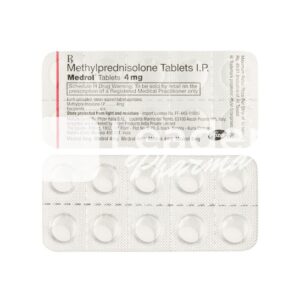
Corticosteroid hormones are essential treatments for various inflammatory and autoimmune conditions. Prednisolone remains the most commonly prescribed oral corticosteroid in the UK, available in multiple strengths. Hydrocortisone preparations are used for both replacement therapy and acute treatment, whilst dexamethasone offers potent anti-inflammatory effects for specific clinical situations.
Conditions requiring hormone replacement
Adrenal insufficiency, including Addison’s disease, requires lifelong hormone replacement therapy. These conditions necessitate careful monitoring and patient education regarding emergency protocols.
Dosing schedules and withdrawal considerations
Corticosteroid dosing typically follows circadian rhythms, with higher doses administered in the morning. Gradual dose reduction is essential to prevent withdrawal symptoms and adrenal crisis.
Side effects and monitoring requirements
Long-term corticosteroid use requires careful monitoring for:
- Bone density changes and osteoporosis risk
- Blood pressure and cardiovascular effects
- Blood glucose levels and diabetes development
- Weight gain and metabolic changes
- Infection susceptibility and wound healing
Growth and Metabolic Hormones
Growth Hormone Therapies
Growth hormone treatments are essential for managing various conditions affecting normal growth and development. In paediatric applications, these therapies address growth hormone deficiency, Turner syndrome, and chronic renal insufficiency. Licensed preparations available through the NHS include somatropin formulations such as Genotropin, Humatrope, and NordiTropin, which require specialist endocrinologist supervision.
Adult growth hormone deficiency treatment focuses on improving quality of life, bone density, and metabolic function. These treatments require careful monitoring and are typically initiated in specialist centres with ongoing shared care arrangements between hospital consultants and GPs.
Metabolic Hormone Treatments
Thyroid-stimulating preparations include recombinant TSH (Thyrogen) used primarily for thyroid cancer monitoring and treatment protocols. Parathyroid hormone options encompass teriparatide (Forsteo) for severe osteoporosis treatment, requiring specialist bone clinic supervision.
- Specialist endocrinology referral required
- Regular monitoring of IGF-1 levels
- Shared care protocols with primary care
- Patient training for injection techniques
Reproductive and Fertility Hormones
Fertility Treatment Medications
Fertility treatments encompass a comprehensive range of hormonal preparations designed to support reproductive health. Gonadotrophin preparations including FSH (Gonal-F, Puregon) and LH combinations are fundamental for ovarian stimulation protocols. These medications require careful monitoring through fertility clinics with regular ultrasound scanning and hormone level assessments.
Ovulation induction therapies utilise clomifene citrate as first-line treatment, progressing to gonadotrophins for more complex cases. IVF protocol medications include GnRH agonists (buserelin, nafarelin) and antagonists (cetrorelix, ganirelix) for cycle control, alongside luteal phase support with progesterone preparations.
Contraceptive Hormone Options
Modern contraceptive options provide flexible hormone delivery methods. Combined preparations offer various formulations including traditional pills, patches, and vaginal rings. Progestogen-only options include daily pills, injections (Depo-Provera), implants (Nexplanon), and intrauterine systems (Mirena).
Emergency contraception includes levonorgestrel (available without prescription) and ulipristal acetate (prescription-only medicine) providing effective post-coital protection when used appropriately.
Menopause and Hormone Replacement Considerations
HRT preparations address menopausal symptoms through various delivery methods including tablets, patches, gels, and pessaries. Treatment selection considers individual risk factors, symptom severity, and patient preferences.
- MHRA safety guidelines compliance
- Annual review requirements
- Cardiovascular and breast cancer risk assessment
- Specialist menopause clinic referrals when appropriate