Aciclovir
In brief
Herpes viruses can remain dormant in the body between episodes of symptoms. Aciclovir helps control active infection by interfering with viral DNA production, but it does not remove that dormant reservoir.
Pharmacological Mechanism Of Action
Aciclovir disrupts viral replication through targeted molecular interference. As a nucleoside analogue, its antiviral activity specifically inhibits infected cells while largely sparing healthy ones. Key characteristics include:
- Converts to active form by viral thymidine kinase enzymes
- Terminates DNA chain growth during viral replication
- Minimal metabolism with over 75% excreted unchanged through kidneys
- Limited oral bioavailability (15-30%) necessitates frequent dosing
Notable interactions include reduced elimination when combined with probenecid and increased renal toxicity risk alongside nephrotoxic medications. Moderate alcohol consumption appears compatible, though dehydration from excessive intake may elevate crystalluria risk. This targeted mechanism preserves host cells while disabling viral proliferation.
Approved Aciclovir Indications
Cold Sores (Herpes Labialis)
Aciclovir cream applied five times daily reduces healing time for herpes simplex virus type 1 lesions. Oral treatment provides systemic management for severe outbreaks.
Genital Herpes
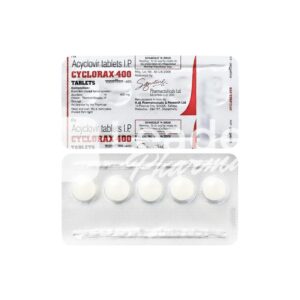
Both initial episodes and recurrent herpes simplex virus type 2 infections respond to 400mg tablet regimens. Suppressive therapy minimises outbreak frequency.
Shingles Treatment
High-dose 800mg tablets combat Varicella zoster virus reactivation. Early initiation proves critical for reducing postherpetic neuralgia risks.
Chickenpox Management
Pediatric protocols initiate within 24 hours of rash onset. Child-specific suspensions ensure accurate weight-based administration while reducing transmission.
UK guidelines occasionally extend to herpetic whitlow and eczema herpeticum as clinically appropriate. Always follow British National Formulary paediatric antiviral protocols for child treatments.
Off-Label Applications And Special Populations
Immunocompromised Patients
Higher intravenous doses or extended courses prevent life-threatening herpesvirus dissemination in transplant and HIV populations under specialist supervision.
Pregnancy Considerations
Category B status indicates no documented human foetal harm, with genitial herpes suppression often continuing through third trimester per Royal College of Obstetricians guidelines. Neonatal herpes management requires urgent inpatient care.
Geriatric Therapy Adjustment
Renal function declines typically necessitate 50% dosage reductions when creatinine clearance falls below 25ml/minute. Neuropsychiatric side effect monitoring becomes increasingly important.
British Specialist Recommendations
Certain neurology units utilise short-course protocols for Bell’s palsy. While not EMA-approved, research at NHS institutions explores applications in viral meningitis scenarios.
Alternative Antivirals Comparison
For those managing herpes outbreaks, understanding how aciclovir compares to alternatives helps in treatment decisions. Valaciclovir (branded as Valtrex) is a popular NHS choice since it converts to aciclovir in the body but offers more convenient dosing. Famciclovir (Famvir) requires less frequent dosing than aciclovir but has higher NHS prescription charges in England.
| Medication | Dosing (Herpes Zoster) | Cost (7-day NHS Rx) | Key NHS Advantage |
|---|---|---|---|
| Aciclovir | 800mg × 5 daily | £1.65-£8.50 | Lowest cost option |
| Valaciclovir | 1000mg × 3 daily | £13.20 | Reduced dosing frequency |
| Famciclovir | 500mg × 3 daily | £20.75 | Convenient 3x/day dosing |
For topical lip sores, penciclovir cream (branded as Vectavir) remains prescription-only but shows marginally faster healing times than aciclovir cream in trials. Most patients manage mild outbreaks with aciclovir cream given its pharmacy accessibility without prescription. Pharmacists often suggest valaciclovir for genital herpes suppression due to its simpler regimen supporting adherence over long-term use.
UK Market Insights
Aciclovir remains widely accessible through UK pharmacies, with generics dominating the market after patent expiration. Boots and Lloyd’s Pharmacy typically stock multiple formulations:
- Creams (5% 2g tubes): £4-£8 over-the-counter, £0-£9.65 NHS prescription charge.
- Tablets (pack of 56): Generic options £8-£15 private purchase; £9.65 NHS charge.
- Cold sore patches: Compete with creams at £5-£7 per pack.
Generic competition keeps prices competitive, with significant regional price variations. Winter brings predictable demand spikes across pharmacies for both tablet and cream formulations due to increased cold sore outbreaks. Parallel imports occasionally create supply variations, particularly affecting topical formats. Community pharmacies in high-density urban areas maintain the broadest stock range.
Research Frontiers
Recent studies examine aciclovir’s long-term safety and newly identified applications. The 2023 Cochrane Review
Patent expiry transformed the UK generics market, lowering treatment costs but limiting manufacturer investment in novel formulations. Ongoing trials explore combinational approaches including aciclovir with monoclonal antibodies for refractory cases. However, emerging antiviral resistance remains an understudied area requiring surveillance. Future formulations may target enhanced transdermal penetration for topical variants.
Guidelines for Proper Use
Correct administration significantly influences aciclovir effectiveness. Timings matter, particularly with oral courses requiring even distribution across waking hours – consider alarms for regimented 800mg 5x/day dosing. Cream application demands careful technique: clean hands, thin layers administered five times daily, avoiding cosmetic coverage until fully absorbed.
Do
Don’t
Always review PIL leaflets for batch-specific storage details. Bathrooms generally prove unsuitable storage environments due to humidity fluctuations. Unplanned “drug holidays” during long-term suppression increase recurrence risks. Pharmacists highlight that topical products maintain effectiveness when used at earliest tingling sensation before blister formation.