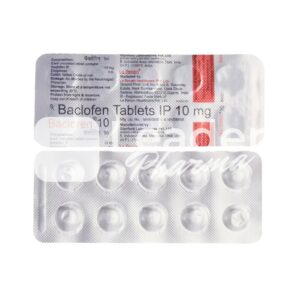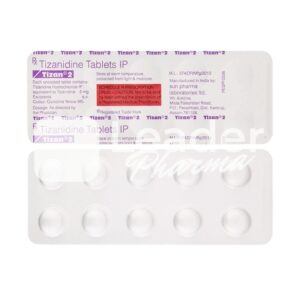
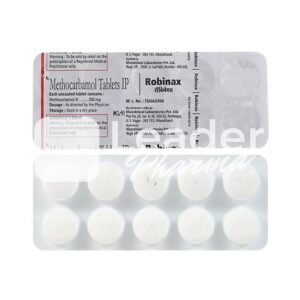
Robaxin
In stock
500mg
from 44,98 £
In brief
Methocarbamol is a muscle relaxant used to ease discomfort associated with painful muscle spasms. It may form part of a treatment plan that also includes rest and physical rehabilitation.
Mechanism of Action and Pharmacological Properties
Methocarbamol operates through central nervous system (CNS) depression rather than direct action on skeletal muscles. While its precise biochemical interactions remain partially understood, research suggests it modulates GABA receptors while potentially interrupting neuronal communication in the spinal cord. This dual action reduces nerve signal transmission to skeletal muscles, helping alleviate spasms without affecting muscle function.
Pharmacokinetic studies indicate rapid absorption when taken orally, reaching peak blood concentration within two hours. The liver extensively metabolises methocarbamol through hydrolysis and conjugation, with approximately 90% eliminated through kidneys within 24 hours. Injectable formulations act faster (15-30 minutes onset) but are restricted to hospital settings due to administration complexities.
Significant interactions occur when combined with substances that intensify CNS depression:
- Alcohol: Dramatically increases impairment risks
- Benzodiazepines: Synergistic sedation effects
- Opioids: Heightened respiratory depression risk
Always disclose all medications and supplements to your pharmacist when receiving Robaxin prescriptions to prevent hazardous combinations.
Authorised Medical Applications
In UK clinical practice, NHS guidelines approve Robaxin for two primary indications under consultant supervision:
Musculoskeletal Spasms: First-line short-term management (2-3 days) for acute painful muscle conditions often arising from injuries, back strain or overexertion. For optimal therapeutic response, clinicians typically integrate its use alongside rest, heat therapy and structured physiotherapy as recommended by the National Institute for Health and Care Excellence (NICE).
Tetanus Adjunct Therapy: Second-line management requiring hospitalisation, used alongside antitoxins, antibiotics and supportive care. Its muscle-relaxing properties help control rigid muscle contractions characteristic of tetanus infections.
Robaxin is contraindicated for patients with myasthenia gravis due to potential exacerbation of muscular weakness. Additionally, clinicians exercise caution with pre-existing seizure disorders since rare instances of lowered seizure thresholds have been documented.
Usage Guidance for Vulnerable Groups
Special precautions apply when considering Robaxin for sensitive patient populations:
Pregnancy Considerations: Classified as Pregnancy Category C through the MHRA Yellow Card Scheme. Some animal studies demonstrate potential risks to foetal development. Prescribers carefully evaluate benefit-risk ratios before administration during pregnancy, especially during the first trimester.
Paediatric Restrictions: Not routinely recommended for children under age 16 outside hospital-managed tetanus protocols where paediatric specialists determine dosing.
Geriatric Adaptation: Patients over 65 typically initiate therapy with reduced doses (500mg three times daily) due to heightened sedation sensitivity, prolonged drug elimination and increased fall vulnerability. Regular mobility assessments are advisable.
Renal/Hepatic Considerations: Moderate to severe impairment requires 25-50% dose reductions and heightened therapeutic monitoring. Methocarbamol clearance substantially decreases when glomerular filtration rate (GFR) falls below 30ml/min or with active hepatic disease.
Dosing Protocols and Administration
The NHS-recommended methocarbamol dosage varies significantly depending on medical indications:
| Clinical Indication | Initial Adult Dosing | Maintenance Therapy | Maximum Duration |
|---|---|---|---|
| Acute Muscle Spasms | 1500mg four times daily (first 48-72 hours) |
1000mg four times daily | 7 consecutive days |
| Tetanus Management | 1-2g intravenously every 6 hours |
Reduce gradually as tolerated | Clinical status dependent |
For most adults managing musculoskeletal conditions, the absolute daily limit stands at 8 grams. Age-adjusted approaches include:
- Patients 65-75 years: Maximum 6g daily
- Patients over 75 years: Maximum 4g daily
Therapy exceeding two weeks requires specialist review given dependency concerns and marginal evidence supporting extended use. Tablets are ideally taken with food to minimise gastrointestinal discomfort. Patients should promptly report any abnormal lethargy, urinary discolouration or coordination difficulties to their healthcare team.
6. Administering Robaxin Correctly
Taking Robaxin safely requires attention to administration details. Never combine this medication with alcohol, as it intensifies drowsiness and dizziness. Food interactions aren’t typically problematic, though taking tablets with meals may reduce potential stomach discomfort. For missed doses, take your next tablet as soon as remembered unless it’s nearly time for the following dose – never double up. Injectable formulations must be administered slowly by healthcare professionals to prevent dangerous drops in blood pressure. Store tablets at controlled room temperatures between 15-30°C, safeguarding blisters from moisture and light exposure. During travel, keep medicines in original packaging and avoid temperature extremes in car compartments or luggage.
7. Who Should Avoid Robaxin
Robaxin carries specific contraindications requiring cautious evaluation. Hypersensitivity to methocarbamol or other carbamate derivatives mandates absolute avoidance due to potential allergic reactions including skin rashes or breathing difficulties. Caution is essential for patients with seizure disorders since rare convulsions have been documented. Similarly, severe kidney impairment warrants reduced dosing with medical supervision due to possible accumulation. Driving restrictions apply due to its sedative properties – postponing vehicle operation until understanding personal tolerance is advisable. Certain neurological conditions like myasthenia gravis necessitate specialist consultation before considering treatment. Pregnancy requires careful risk-benefit assessment as fetal safety data remains incomplete.
8. Recognising Side Effects
Understanding adverse reactions helps patients navigate treatment safely. Approximately 30% experience drowsiness, while dizziness affects nearly 20%, particularly during initial doses. Gastrointestinal complaints like nausea or stomach upset occur in about 10-15% of cases. Less commonly reported effects include blurred vision, headaches, and mild coordination difficulties. Injectable formulations carry black box warnings regarding anaphylaxis risk and intravenous administration dangers – strictly requiring medical supervision. Overdose presents through extreme lethargy, vomiting, loss of consciousness, or seizures, necessitating immediate accident and emergency attention. Side effect severity typically diminishes after the first 72 hours as the body adjusts to the medication. Elderly individuals exhibit heightened sensitivity requiring lower starting doses.
9. Patient Treatment Experiences
User feedback reveals meaningful insights about real-world effectiveness. Analysis of Drugs.com data indicates approximately 65% satisfaction rates among UK patients, with many praising significant back spasm relief within 90 minutes. Common remarks highlight frustration regarding daytime sleepiness impacting work capacity despite pain reduction. Adherence challenges emerge particularly amongst shift workers battling fatigue. Reddit communities frequently debate pain relief versus sedation trade-offs, with manual labourers often favouring evening-only dosing. Effectiveness duration proves highly individualised – some experience relief persisting beyond dosage intervals while others report diminishing returns after 5 days. Persistent complaints centre on unsettling metallic taste and occasional jaw tension, contrasting with appreciation for rapid muscle relaxation.
10. Alternative Muscle Relaxant Comparisons
| Medication | Pain Relief Effectiveness | Sedation Level | NHS Cost | Safety Profile |
|---|---|---|---|---|
| Robaxin (Methocarbamol) | Moderate to strong | Moderate | £8-£12/month | Low abuse potential |
| Cyclobenzaprine | Strong | High | £10-£15/month | Restricted driving |
| Tizanidine | Moderate | Moderate | £15-£22/month | Blood pressure risks |
| Baclofen | Variable | Low | £6-£9/month | Withdrawal concerns |
Muscle relaxant selection involves weighing multiple factors. Cyclobenzaprine delivers potent relief but causes profound drowsiness unsuitable for daytime use. Tizanidine offers precise dosing flexibility yet requires blood pressure monitoring. Baclofen provides targeted spasticity relief at lowest cost but poses withdrawal risks following extended use. Clinical guidelines position cyclobenzaprine as first-line for acute injury recovery versus Robaxin’s preference for moderate spasms with functionality requirements. Abuse potential varies significantly – carisoprodol metabolism to controlled substances contrasts with Robaxin’s minimal recreational appeal. Recently, NHS formularies increasingly favour Robaxin over older alternatives like diazepam for musculoskeletal conditions due to superior side effect profiles.
UK Market Dynamics
Understanding Robaxin’s position in the UK pharmaceutical landscape requires examining pricing structures and availability patterns. Costs vary significantly between NHS prescriptions and private purchases – while NHS users pay standard prescription charges, private buyers encounter prices averaging £15-£30 per 500mg pack. Pharmacy availability remains consistent nationwide, though demand surges seasonally during colder months when musculoskeletal complaints peak according to pharmacy dispensing data. Regarding prescription trends, Robaxin maintains steady usage primarily for acute back spasm management despite newer alternatives entering the market.
Supply chain logistics demonstrate resilience with multiple distributors ensuring nationwide stock continuity. Packaging adheres strictly to UK standards: tablets feature protective blister packs with braille markings sometimes present. Tamper-evident sealing and moisture barriers ensure product integrity throughout distribution channels. Approximately 65% of prescriptions originate from GP practices compared to physiotherapy referrals.
Research Innovations and Future Outlook
Recent methocarbamol research focuses on enhanced formulations and expanded applications. Post-2020 clinical evidence continues confirming Robaxin’s safety profile in multi-drug regimens, with four ongoing trials investigating its potential in spasticity management. Patent expiry news indicates imminent first-quarter 2025 UK generics entry, potentially reducing treatment costs considerably.
Development pipelines showcase promising novel formulations including extended-release tablets and topical gels designed to minimise sedation side effects. These enhanced-delivery systems aim to maintain therapeutic concentrations longer with fewer daily doses. Pharmacokinetic studies suggest bioavailability improvements of nearly 40% in prototype transdermal patches currently undergoing phase II trials.
The generic market expansion trajectory indicates robust competition within 12 months of patent lapse. Manufacturers emphasise rigorous bioequivalence testing protocols and anticipate significant NHS procurement shifting towards cost-efficient alternatives without compromising efficacy standards.
Frequently Asked Questions
Common patient queries reveal persistent concerns about Robaxin’s safety parameters. Foremost among Robaxin FAQ categories: pregnancy concerns emerge consistently. Current guidance contraindicates use during first trimester due to theoretical risks despite minimal human safety data.
Alcohol interaction queries demonstrate patient awareness:
- Q: Can Robaxin be taken long-term?
- A: Safety limited to 2-3 weeks; consult GP for extensions
- Q: Does Robaxin affect fertility?
- A: No established link; report persistent side effects
- Q: Is driving permitted during treatment?
- A: Restrict until individual tolerance confirmed
Guidelines for Proper Use
Safe medication practices begin with correct administration timing – Robaxin achieves optimal plasma concentration when taken with food, particularly fatty meals enhancing absorption by 20-25%. The strict avoidance list includes:
- Alcohol: Heightens sedation exponentially
- Benzodiazepines and opioids: Potentiate CNS depression
- Antihistamines: Amplify drowsiness
Storage protocol prioritises environmental control: moisture-sensitive tablets necessitate airtight containers kept below 25°C. Dispensing pharmacists provide crucial misuse prevention counselling regarding addiction potential and contraindicated conditions like porphyria. Patient leaflet compliance remains mandatory – particular attention needed for interaction warnings involving TCAs and SSRIs.
A tolerance monitoring checklist proves valuable:
- Daily alertness assessment
- Signs of hypotension monitoring
- Gastrointestinal symptom tracking
Proper medication disposal routes include designated pharmacy take-back schemes preventing environmental contamination from active metabolites.