Acamprosate
In stock
333mg
from 45,70 £
In brief
- Acamprosate is a prescription-only medicine that helps adults stay off alcohol once they have stopped drinking.
- The 333 mg gastro-resistant tablets come in packs of 30, 60, 90, 120 or 180.
- It is taken three times a day with meals, usually for a year, alongside counselling.
Acamprosate as support after alcohol withdrawal
Acamprosate is used to help people who were dependent on alcohol stay abstinent after detoxification. Long-term heavy drinking upsets the balance between the brain’s excitatory glutamate system and calming GABA signalling, and this imbalance is believed to fuel cravings and the urge to drink. The medicine seems to steady these systems. It is not a treatment for withdrawal symptoms, it does not make alcohol unpleasant to drink, and the SmPC states that it should be combined with counselling.
The 333 mg tablets and UK-licensed products
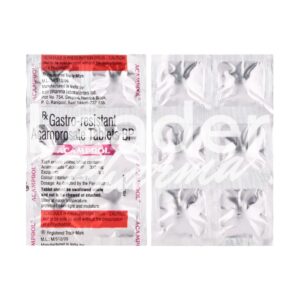
Each enteric-coated tablet contains 333 mg of acamprosate calcium, equal to 300 mg of the active base, and packs of 30 to 180 are offered. They are an imported generic, and this brand has no UK licence. Products with a UK licence are Campral EC from Merck Serono and generic 333 mg gastro-resistant tablets from Viatris, both classed as POM. The coating protects the tablet from stomach acid, so it must be swallowed whole rather than crushed or chewed.
How many tablets a day, by body weight
For adults aged 18 to 65 weighing 60 kg or more, the SmPC dose is two tablets three times a day with meals: morning, midday and evening. Those under 60 kg take four tablets daily, two in the morning, one at midday and one at night. Treatment should start as soon as possible after withdrawal is complete and the person is abstinent, and the recommended course is one year. A return to drinking is not in itself a reason to stop the tablets. The medicine should not be used in children or in people over 65, as its safety has not been established in these groups.
Creatinine above 120 micromol/l and other exclusions
Acamprosate must not be taken by anyone with kidney impairment, defined in the SmPC as serum creatinine above 120 micromol/l, by breastfeeding women, or by people allergic to the ingredients. Its use in severe liver failure (Child-Pugh C) has not been studied. Depression and suicidal thoughts are common in alcohol dependence, so mood should be followed closely during treatment. In pregnancy it is reserved for situations where a careful assessment of benefits and risks supports it. The tablets have little or no potential for misuse or dependence.
Use with alcohol and other treatments
Alcohol does not alter how the body handles the medicine, and the tablets do not change how alcohol is processed, although drinking undermines the purpose of treatment. No interactions have been seen with disulfiram, diazepam, oxazepam, meprobamate or imipramine, and acamprosate has been used safely with antidepressants, sleeping tablets, anti-anxiety medicines and non-opioid painkillers. Food slightly reduces absorption, but the SmPC still advises taking the tablets with meals.
Diarrhoea and other unwanted effects
Loose stools or diarrhoea affect more than one person in ten. Common effects include abdominal pain, nausea, vomiting, wind, itching, a raised rash, reduced sex drive and erection problems. Allergic reactions such as hives, angio-oedema and anaphylaxis are very rare, and blistering skin eruptions have been reported. The SmPC states that acamprosate has no influence on driving. How long treatment continues is a decision for the doctor or addiction service.