Atenolol
In stock
25mg · 50mg · 100mg
from 17,83 £
In brief
- Atenolol is a cardioselective beta-blocker that slows the heart rate and reduces the workload on the heart.
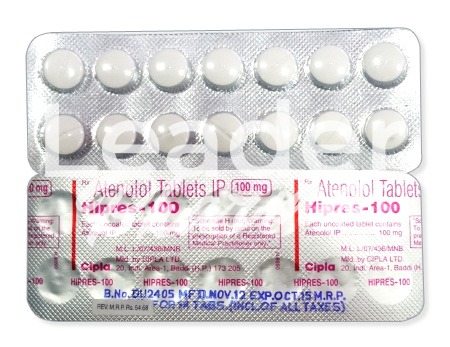
- Available here as 25mg, 50mg and 100mg tablets in packs from 14 to 350 tablets.
- A prescription-only medicine in the UK, sold as generic atenolol and under the Tenormin brand.
Atenolol: how this beta-blocker works
Atenolol blocks beta-1 receptors, found mainly in the heart. As a result, the heart beats more slowly and with less force, blood pressure falls and the heart muscle needs less oxygen. Because it acts mostly on the heart, it is described as cardioselective, although at higher doses it can still affect the airways. The UK SmPC lists four uses: high blood pressure, angina, certain heart rhythm disturbances, and early treatment and long-term protection after a heart attack.
Strengths and pack sizes listed
Three strengths are offered. The 25mg and 100mg tablets come in packs of 14, 28, 56, 84, 140 or 350, and the 50mg tablet additionally in a pack of 98. All three strengths match tablets licensed in the UK.
Typical doses in the SmPC
For hypertension, one tablet a day is usual: the SmPC notes that most people respond to 100mg once daily, while some are controlled on 50mg, and the full effect appears after one to two weeks. In angina, 100mg once daily or 50mg twice daily is the usual approach, and higher doses are unlikely to add benefit. After control of an irregular rhythm, oral maintenance is generally 50–100mg a day. Older adults and people with reduced kidney function often need less, as atenolol is removed by the kidneys; when kidney function is markedly reduced the dose is cut or given less often. Tablets are taken at the same time each day, with or without food.
UK status and brand names
Atenolol is licensed in the UK as a prescription-only medicine (POM). Generic tablets are made by several manufacturers, and the original brand is Tenormin, including the 50mg Tenormin LS. Combination products with the diuretic chlortalidone, such as Tenoretic and co-tenidone, are also available, as well as an oral solution for people who find tablets difficult.
Who should not use it
According to the SmPC, the tablets are not used in second- or third-degree heart block, a very slow pulse (below 45 beats per minute), uncontrolled heart failure, cardiogenic shock, sick sinus syndrome, untreated phaeochromocytoma, severe circulation problems in the limbs, metabolic acidosis or low blood pressure. Asthma and other obstructive airways disease need particular caution. In diabetes, a beta-blocker can hide the fast heartbeat that warns of a hypo.
Interactions worth mentioning
Verapamil and diltiazem can slow the heart excessively when combined with beta-blockers. Other blood pressure medicines, anti-arrhythmics, digoxin, clonidine and some anaesthetics add to the effects; if clonidine is to be stopped, the beta-blocker is usually withdrawn several days earlier. NSAIDs such as ibuprofen may weaken the blood-pressure-lowering effect. Let the surgical team know you take this medicine before an operation.
Side effects and stopping safely
Common effects include tiredness, cold hands and feet, a slow pulse and stomach upset. Less often people notice disturbed sleep, dizziness, low mood or wheeziness. Atenolol must not be stopped suddenly, especially with heart disease; the SmPC recommends reducing the dose over 7–14 days. Breathlessness, swollen ankles or fainting should be reported to your GP promptly. Your doctor or prescriber decides on the strength and length of treatment.