Cefixime
In stock
200mg · 100mg
from 29,67 £
In brief
- Cefixime is an oral cephalosporin antibiotic used for certain acute chest, ear and urinary tract infections.
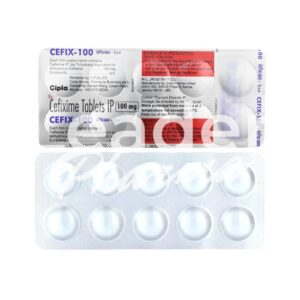
- Choose 200 mg or 100 mg film-coated tablets, with quantities between 10 and 60.
- A prescription-only medicine in the UK, where the licensed brand is Suprax 200 mg.
Cefixime: what this oral antibiotic treats
Cefixime is a cephalosporin antibiotic that is taken by mouth. It stops susceptible bacteria from building a stable cell wall, and it holds up well against many of the beta-lactamase enzymes that bacteria use to break down older penicillin-type drugs. According to the UK SmPC, it treats acute infections caused by sensitive organisms: upper respiratory infections such as otitis media, lower respiratory infections such as bronchitis, and urinary infections including cystitis and uncomplicated pyelonephritis. Like every antibiotic, it does nothing for colds, flu or other viral illnesses, and some bacteria, including enterococci, staphylococci and Pseudomonas, are naturally resistant to it.
Choosing between 100 mg and 200 mg
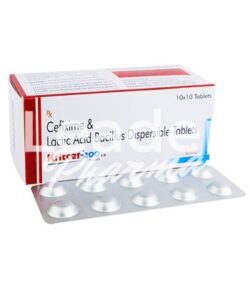
You can choose between two strengths here. For 200 mg you can pick 10, 20, 30, 40 or 60 tablets; for 100 mg the options are 10, 20, 30 or 60. The UK-licensed brand, Suprax, is a 200 mg tablet; the tablets offered here are imported generics, and packaging may differ from UK packs.
Typical daily amount and length of a course
For adults, and for children over 10 years or above 50 kg in body weight, the SmPC gives 200–400 mg per day, taken once daily or split into two doses, depending on how severe the infection is. A standard course lasts seven days and can be extended to 14 days where needed. Food has little effect on absorption, so the tablets may be taken before or after a meal. When creatinine clearance is under 20 ml/min, and in people on haemodialysis or peritoneal dialysis, no more than 200 mg once daily should be taken. The 200 mg tablet is not recommended below the age of 10. Completing the full prescribed course helps prevent the infection returning.
UK licence holder and prescription category
In the UK this antibiotic is supplied as Suprax 200 mg film-coated tablets, with the marketing authorisation held by Mercury Pharmaceuticals. Its legal category here is POM, meaning it can only be supplied against a valid prescription. Antibiotic choice depends on the likely organism and on local resistance data, so the prescriber decides whether Cefixime is appropriate for a particular infection and for how long it should be taken.
When extra care is needed
Cefixime must not be used by anyone allergic to cephalosporins. Because some people react to both penicillins and cephalosporins, a history of penicillin allergy calls for caution, as severe reactions including anaphylaxis have occurred. Markedly reduced kidney function also needs care. The SmPC advises against use in pregnancy or breastfeeding unless a doctor considers it essential. Cephalosporins can lengthen prothrombin time, so anyone on warfarin or another coumarin anticoagulant may need closer monitoring for bleeding. During treatment, copper-reduction urine sugar tests (Benedict’s or Fehling’s) can give a false positive result, although glucose oxidase strips are unaffected, and the direct Coombs test may also read positive.
Possible reactions during a course
Most reactions to Cefixime are mild and settle on their own. Reported effects include diarrhoea, stomach pain, nausea, vomiting, indigestion, wind, headache and dizziness. Diarrhoea that is severe, persistent or bloody, even weeks after the course has finished, may point to Clostridioides difficile colitis and needs prompt medical advice. Rare but serious problems include severe skin reactions such as Stevens-Johnson syndrome or DRESS (treatment should stop at the first sign of a rash), haemolytic anaemia, jaundice and acute kidney injury. Older people and those with poor kidney function have a higher risk of encephalopathy, which can cause confusion or fits. Swelling of the face or throat, or difficulty breathing, needs emergency care at A&E.