Clomid
In stock
25mg · 50mg · 100mg
from 11,88 £
In brief
- Clomid tablets at Leader Pharma come in three strengths – 25mg, 50mg and 100mg – with packs of 10 up to 360 tablets (180 for 100mg) and delivery across the UK in 9–21 days.
- Clomifene citrate is an anti-oestrogen that makes the brain sense low oestrogen, raising FSH and LH output so the ovaries mature and release an egg; UK doctors prescribe it for anovulatory infertility.
- In Britain only the 50mg tablet is licensed: a first course is one tablet daily on days 2–6 of the menstrual cycle, and the dose may be raised to 100 mg daily in a later cycle if ovulation does not occur.
- Pregnancy should be ruled out before each course, and the overall lifetime limit is six treatment cycles, ideally with ultrasound follow-up arranged by a specialist clinic.
- Visual disturbances such as blurring or spots before the eyes mean treatment must be stopped; hot flushes, a higher chance of twins and, rarely, OHSS can occur, and clomifene is a POM in the UK.
Clomid (clomifene): dosage, side effects and how it works
Product overview
Clomid is a medication that helps balance hormones and restore your natural reproductive cycle. The medication contains the active ingredient clomifene citrate, which consists of two distinct parts: enclomiphene and zuclomiphene. Basically, enclomiphene works quickly to stimulate your brain to release essential reproductive hormones. Meanwhile, zuclomiphene stays in your body longer to keep your hormone levels stable. As a result, it is used to induce ovulation in women and is sometimes used off-label for hormonal support in men.What is it and what is it used for
Clomid is a non-steroidal fertility medication designed to help women who struggle with irregular cycles achieve pregnancy. It works by gently stimulating the pituitary gland in the brain to release the essential hormones needed to trigger ovulation—the process where the ovary releases a mature egg. In the UK, clomifene is a prescription-only medicine (POM).Primary uses and benefits
- Ovulation induction: It successfully triggers the release of mature eggs in women who do not ovulate naturally.
- PCOS treatment: Doctors frequently recommend it for patients dealing with conditions like polycystic ovary syndrome (PCOS) that disrupt natural reproductive cycles.
- Hormonal regulation: The drug restores the necessary chemical balance between the brain and the ovaries to support a healthy reproductive environment.
- Off-label applications: While its primary purpose focuses on female fertility, medical professionals sometimes utilise it for other specific clinical needs not explicitly listed in standard medication guides.
How it works
The primary mechanism of action centres on the modulation of the hypothalamic-pituitary-gonadal (HPG) axis by intercepting endogenous feedback loops. By binding to specific oestrogen receptors in the hypothalamus, clomifene prevents the brain from accurately detecting circulating hormone levels. This perceived deficiency triggers an immediate increase in the pulse frequency of gonadotrophin-releasing hormone (GnRH). Consequently, the pituitary gland responds by elevating the secretion of follicle-stimulating hormone (FSH) and luteinising hormone (LH).Hypothalamic signalling and hormone release
- Oestrogen sensors in the hypothalamus are temporarily occupied by the medication to signal a low-hormone state.
- Increased GnRH pulses drive the pituitary gland to enhance the output of essential reproductive triggers.
Effects on ovarian and testicular function
- Rising FSH levels in women promote the maturation of ovarian follicles, facilitating a successful ovulatory event.
- Elevated LH levels in men directly stimulate the Leydig cells in the testes to synthesise natural testosterone.
- The dual-action profile allows for a comprehensive restoration of the body's natural hormonal equilibrium.
Pharmacokinetics
After you take the tablet, your digestive system efficiently absorbs Clomid, allowing clomifene to enter the bloodstream steadily. The liver processes the medication to ensure a sustained release of its beneficial effects over an extended period. Because the body stores and processes the compound this way, it remains effective for several days after a single dose, supporting a consistent hormonal environment.Absorption and active metabolism
- The medication reaches its peak concentration in the blood within a few hours of ingestion.
- The liver breaks down the compound into active metabolites.
Half-life and systemic elimination
- The long half-life ensures that the benefits continue to work even between scheduled doses.
- Your body naturally eliminates the majority of the compound through the intestinal tract over several days.
- You can easily maintain consistent levels in your system, preventing sharp hormonal fluctuations.
Dosage and administration
Your specific goals determine the appropriate amount of Clomid, whether you need to trigger ovulation for pregnancy, support natural testosterone levels, or start a PCT (Post Cycle Therapy) protocol. You must follow a structured cycle to allow the body to respond naturally. Typically, you should begin with a lower amount to assess your response before adjusting to higher concentrations.| Goal of use | Typical amount | Cycle duration |
|---|---|---|
| Ovulation induction | 50mg to 100mg per day | 5 consecutive days |
| Male testosterone support (off-label) | 25mg - 50mg per day | Daily or every other day |
| PCT (post-cycle therapy, off-label) | 50mg to 100mg per day | 2 to 4 weeks |
- Consistency is key: take the tablets at the same time each day to maintain steady levels in your system.
- The medication carries a long half-life of 5 to 7 days, which allows the active compounds to continue working during PCT or hormonal recovery.
- For pregnancy and fertility goals, start the cycle on the fifth day of your natural period.
- If the initial response does not boost testosterone or trigger ovulation sufficiently, you may increase the dosage to 100mg per day for the next cycle.
- Only adjust the amount based on your individual results and body feedback.
How to take Clomid: cycle timing and protocols
To achieve the best results, take Clomid as part of a structured cycle. These oral tablets perform most effectively when you maintain a consistent level in your bloodstream. We recommend starting with the lowest effective amount so you can monitor your body's response before adjusting the concentration.Female fertility: ovulation and intercourse timing
- Start your 5-day cycle early in your menstrual period, typically on the third or fifth day.
- Take one tablet at the exact same time each day (with or without food) to ensure your brain receives a steady hormonal signal.
- Ovulation typically occurs 5 to 10 days after taking your last tablet.
- Timing intercourse is important: plan for intercourse every other day starting 3 days after your last tablet, continuing through your entire expected ovulatory window.
- Swallow the tablet whole with a glass of water; do not crush or chew the medication.
Male PCT and testosterone support protocols (off-label)
- For male endocrine recovery, many users achieve stability by following a structured tapering protocol (such as the popular 50/50/25/25 method). This involves taking 50mg daily for the first two weeks, then reducing to 25mg daily for the final two weeks.
- Maintain a consistent schedule for the entire duration of your cycle to keep oestrogen receptors adequately blocked.
- If you miss a dose, take it as soon as you remember. However, skip it if your next dose is near; never take two doses at once.
Side effects and safety: what to watch out for
While most users tolerate clomifene well, adjusting your hormone levels can trigger specific physiological and emotional responses. Most effects remain mild and subside shortly after you complete the cycle and your body returns to its natural equilibrium, but monitoring these changes is crucial for your safety.Visual and emotional symptoms
- Visual disturbances: One of the most specific side effects is the appearance of visual tracers, blurring or floaters. If you experience significant visual changes or flashing lights, discontinue the medication immediately and consult a doctor, as prolonged use can make these effects persistent.
- Emotional volatility: Because the medication heavily manipulates oestrogen receptors in the brain, many users experience intense mood swings, sudden irritability, or depressive episodes.
Physical reactions
- Mild flushing or sudden hot flushes due to temporary shifts in how your body perceives circulating oestrogen levels.
- Occasional abdominal discomfort or bloating as the medication actively stimulates your reproductive organs.
- Temporary breast tenderness or sensitivity resulting from increased hormonal activity throughout the cycle.
- Mild headaches or dizziness during the first few days while your central nervous system adjusts to the new chemical balance.
Drug interactions and comparisons
You must consider how Clomid interacts with other substances to keep your hormonal response effective and safe. Clomid is often compared with tamoxifen (Nolvadex) and letrozole when planning a fertility cycle or a PCOS management strategy, as different compounds influence the liver and oestrogen receptors in unique ways.| Medication / substance | Interaction and comparison effect |
|---|---|
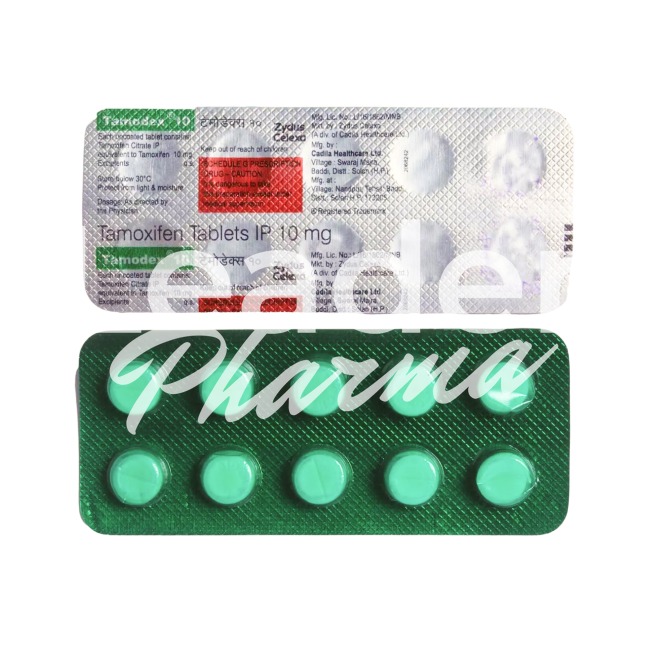
| Tamoxifen (Nolvadex) | Both act as SERMs; however, they may compete for the same receptors if combined. In PCT, users typically take them sequentially to optimise recovery. |
| Letrozole | Letrozole works as an aromatase inhibitor for PCOS treatment. Combining these medications can lead to extreme stimulation, so you must manage the cycle carefully. |
| Alcohol | Alcohol exacerbates side effects like dizziness and hot flushes while adding strain to your liver metabolism. |
| Hormone replacements | Synthetic hormones can counteract clomifene's natural triggering mechanism, reducing its effectiveness for testosterone recovery. |
| Liver enzyme inducers | These substances accelerate the metabolism of the medication, which reduces its concentration in your blood. |
Specific precautions for PCOS and recovery
- Avoid alcohol to maintain clear judgment of the medication's effects and support healthy liver function.
SERM selection and feedback loops
- Choose between clomifene and tamoxifen based on your individual sensitivity and specific PCT goals.
- Exercise caution with herbal supplements that mimic oestrogen, as they can confuse your body's feedback loop.
Availability and delivery
Each order is processed with strict discretion and arrives in neutral packaging. Our logistics network ensures that patients across all regions of the UK receive their treatment reliably and within the specified timeframes. We coordinate with multiple carriers to maintain 100% coverage for every territory.| UK distribution zones | Key cities and metropolitan areas | Delivery time |
|---|---|---|
| Greater London & South East England | London, Reading, Southampton, Brighton, Portsmouth, Oxford | 9–21 days |
| Midlands & East of England | Birmingham, Nottingham, Leicester, Norwich, Cambridge, Coventry | 9–21 days |
| Northern England & Yorkshire | Manchester, Liverpool, Leeds, Sheffield, Newcastle, Sunderland | 9–21 days |
| South West & Wales | Bristol, Plymouth, Cardiff, Swansea, Newport, Exeter | 9–21 days |
| Scotland (Highlands & Lowlands) | Edinburgh, Glasgow, Aberdeen, Dundee, Inverness, Perth | 9–21 days |
| Northern Ireland & Offshore Islands | Belfast, Derry, Lisburn, and territories like Isle of Man | 9–21 days |
Micro FAQ
What is Clomid and how is it used?
Clomid (clomifene) is an oral medication that stimulates hormones. Women use it to trigger ovulation for pregnancy, while men sometimes use it off-label to boost natural testosterone and recover during PCT.
Is Clomid a prescription-only medicine in the UK?
Yes. In the UK, clomifene is a prescription-only medicine (POM).
Is my order kept private and anonymous?
Yes. All orders arrive in plain, unmarked packaging to guarantee complete discretion and privacy from dispatch to delivery.
What is the recommended dosage for pregnancy or PCT?
Women generally take 50–100 mg daily for 5 days to induce ovulation. Men using it off-label typically take 25–100 mg daily, depending on their specific PCT goals and cycle length.
General FAQ
Usage, mechanisms, and pregnancy
What are the step-by-step instructions for use?
Swallow one pill daily with water at the exact same time. If using it for fertility, you usually start on day 5 of your menstrual cycle to align with your body's natural rhythm.
What are the chances of having twins on Clomid?
The likelihood increases significantly. Natural twin pregnancies occur in about 1% of cases, but Clomid raises this chance to roughly 7% to 10% because it can cause multiple eggs to release at once.
What is the mechanism of action of clomifene?
It acts as a blocker for oestrogen receptors in the brain. This "tricks" your body into producing more LH and FSH, which kickstarts ovulation in women and testosterone production in men.
What is the half-life of Clomid and why does it matter?
The active compound stays in your system for 5 to 7 days. This extended window means the medication continues working and stabilising your hormones well after you swallow your last tablet.
Safety and lifestyle
Are there any side effects to be aware of?
You might experience hot flushes, mood changes, or mild bloating. Some users also report visual tracers or blurred vision, which usually stop once you finish the cycle.
Can you mix Clomid and alcohol?
It is best avoided. Drinking can worsen hot flushes and dizziness, and it puts unnecessary stress on your liver while it processes the medication.
What should I do if I miss a dose during my cycle?
Take it the moment you remember. If your next scheduled dose is due soon, skip the missed one. Never take two pills at the same time.
Comparisons and specific conditions
Clomid and enclomiphene: what is the difference?
Standard Clomid contains two parts: enclomiphene (the helpful part) and zuclomiphene (which causes most emotional side effects). Enclomiphene is just the isolated, purified version, offering similar benefits with fewer mood swings.
How does Clomid compare with Nolvadex for recovery?
Both are effective for PCT. Clomid provides a stronger push for testosterone production, but Nolvadex is often favoured by men who want to avoid the emotional side effects associated with clomifene.
Which is better for PCOS: Clomid or letrozole?
While Clomid is the traditional first choice for ovulation, letrozole (an aromatase inhibitor) is increasingly preferred by specialists for specific PCOS cases due to higher live birth rates.
Male health results and PCT
Should I worry about a Clomid oestrogen rebound?
Since the drug blocks oestrogen rather than destroying it, excess oestrogen can float in the blood afterward. Tapering your dose at the end of your cycle (like the 50/50/25/25 method) helps your body adjust naturally.
How long does it take for testosterone levels to rise?
Most men experience a noticeable boost in natural testosterone within 2 to 4 weeks, though individual response times can vary based on prior suppression.
Is Clomid effective for improving male sperm quality?
Yes. By boosting FSH and LH, it directly stimulates sperm production, often improving both count and motility over a standard 3-month period.