Estradiol
In stock
1mg · 2mg
from 27,80 £
In brief
- Estradiol is an oestrogen hormone used as HRT to relieve symptoms of the menopause.
- Choose 1 mg or 2 mg estradiol valerate, in boxes of 28, 56, 84, 112 or 140 tablets.
- One tablet is taken every day without a break; women who still have a womb also need a progestogen.
Estradiol for oestrogen deficiency around the menopause
Estradiol is the main oestrogen made by the ovaries during the reproductive years. When the ovaries wind down at the menopause, falling hormone levels can bring hot flushes, night sweats, sleep disturbance, vaginal dryness and mood changes. Tablets of estradiol valerate are converted in the body into the natural hormone and replace what is missing. The UK SmPC lists hormone replacement therapy for oestrogen deficiency symptoms in peri- and postmenopausal women, and the 2 mg strength is also licensed to prevent osteoporosis in postmenopausal women at high risk of fracture who cannot use other approved medicines.
Estradiol valerate tablets and UK licensing
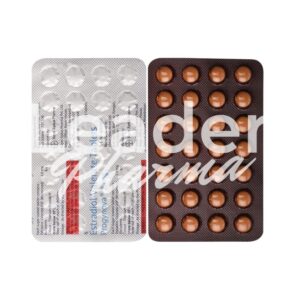
Estradiol valerate is listed here in two strengths, 1 mg and 2 mg, in multiples of the standard 28-tablet calendar pack, up to 140 tablets. These are imported packs intended for a non-UK market. In the UK, estradiol valerate tablets are licensed as Progynova, with Bayer plc holding the authorisation for both the 1 mg and 2 mg strengths. Estradiol tablets are classed as POM in the UK.
Daily routine and the role of a progestogen
One tablet is swallowed each day at roughly the same time, and a new pack follows on with no gap. For menopausal symptoms, treatment begins with 1 mg, and 2 mg is used only if necessary; the aim is the lowest dose that works for the shortest time needed. For bone protection the dose is 2 mg daily. Women with a womb must also take a progestogen for at least 12 to 14 days of every 28-day cycle to protect the endometrium. A missed tablet can be taken within 12 hours; after that it is skipped, and some spotting may follow. The tablets are not a contraceptive.
Breast cancer, clots and other exclusions
HRT must not be used with current, past or suspected breast cancer, other oestrogen-dependent tumours, undiagnosed vaginal bleeding, untreated endometrial hyperplasia, a current or previous blood clot in the leg or lung, known clotting disorders, recent angina or heart attack, active liver disease or porphyria. Long-term use slightly raises the risk of breast and ovarian cancer, and the risk of blood clots and ischaemic stroke is higher, especially in the first year. Treatment should stop at once with jaundice, a sharp rise in blood pressure, a new migraine-type headache or pregnancy.
Enzyme inducers and other interactions
Carbamazepine, phenytoin, phenobarbital, primidone, rifampicin, rifabutin, some HIV medicines and St John’s wort can speed up the breakdown of estradiol and lessen its effect, which may show up as a change in bleeding pattern. Azole antifungals, macrolide antibiotics, verapamil, diltiazem and grapefruit juice may do the opposite. Oestrogen may lower lamotrigine levels and weaken seizure control.
Breast tenderness, bleeding changes and more
Reported effects include tender or enlarged breasts, headache, nausea, bloating, irregular bleeding or spotting, fluid retention, leg cramps, weight change and mood or libido changes. A painful, swollen leg, chest pain or sudden breathlessness calls for urgent help via 999 or A&E. Estradiol treatment is reassessed regularly, and the dose and its duration are decided by the GP or menopause specialist.