Ondansetron
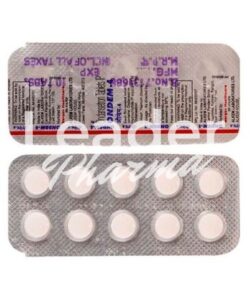
In stock
4mg · 8mg
from 44,78 £
In brief
- Ondansetron is an anti-sickness medicine that blocks 5-HT3 receptors and is used for nausea and vomiting caused by chemotherapy, radiotherapy or an operation.
- Offered as 4 mg tablets (30 to 180 per pack) and 8 mg tablets (30 to 180 per pack).
- Prescription-only (POM) in the UK, where several generic tablet and melt formulations hold a licence.
What ondansetron is used for
Ondansetron belongs to the 5-HT3 antagonists, a group of medicines that stop serotonin from triggering the vomiting reflex in the gut and the brainstem. Under the UK SmPC, adults may be given it to manage nausea and vomiting brought on by cytotoxic chemotherapy and by radiotherapy, and to prevent sickness after an operation. Once post-operative vomiting has already set in, an injection is preferred to tablets. In children aged six months and over it is licensed for chemotherapy-related sickness, with doses worked out from body surface area or weight by the oncology team. Unlike many older anti-sickness medicines, it does not cause sedation, and the SmPC states it has no or negligible influence on the ability to drive or operate machinery.
Strengths and pack sizes offered
Two strengths are listed. The 4 mg tablets come in packs of 30, 60, 90, 120 or 180, and the 8 mg tablets in packs of 30, 40, 60, 90, 120 or 180. These are imported generic tablets that are not covered by a UK licence, so the packaging will differ from a UK carton.
How the SmPC sets out dosing
For chemotherapy or radiotherapy, the usual oral dose is 8 mg taken one to two hours before treatment, then 8 mg every twelve hours for up to five days to cover delayed sickness. For highly emetogenic chemotherapy, a single dose of up to 24 mg together with 12 mg of oral dexamethasone may be given before the session. To prevent sickness after surgery, adults take 16 mg one hour before the anaesthetic. In moderate or severe liver impairment, no more than 8 mg should be taken in a day. Older adults and people with kidney problems need no change. Tablets are swallowed whole with a drink.
Licensing and availability in the UK
Ondansetron is a prescription-only medicine (POM) in the UK. Film-coated tablets of 4 mg and 8 mg are licensed from several manufacturers, including Cipla, alongside orodispersible tablets, an 8 mg/5 ml syrup and an injection for hospital use. SmPCs and patient leaflets for these products can be found on the electronic medicines compendium.
Heart rhythm, pregnancy and other cautions
Ondansetron must never be combined with apomorphine, as the pair has caused profound falls in blood pressure and loss of consciousness. It lengthens the QT interval in a dose-related way, so it is avoided in congenital long QT syndrome and used carefully alongside other QT-prolonging drugs, in heart failure, with a slow pulse or when potassium or magnesium is low. Serotonin syndrome has been seen when it is taken with SSRIs or SNRIs. Phenytoin, carbamazepine and rifampicin can weaken its effect, and it may blunt the pain relief from tramadol. Because use in the first three months of pregnancy has been linked with a small rise in cleft lip and palate, the SmPC says it should not be used in the first trimester; women who could become pregnant should consider contraception, and breastfeeding is not recommended.
Side effects to be aware of
Headache is very common. Constipation and a feeling of warmth or flushing are also frequent, and people with signs of bowel blockage should be watched closely. Less often, hiccups, a slow or irregular heartbeat, chest pain, movement disorders or fits occur, and severe allergic reactions are rare. Dizziness and short-lived blurring of vision have been reported mainly with intravenous use. Chest pain or tightness should be reported straight away, as heart muscle ischaemia has occasionally followed a dose. Your doctor or prescriber will decide whether ondansetron is right for you and which regimen to follow.