Seroquel
In brief
Quetiapine acts on several brain receptors, including those for dopamine and serotonin. It is used in conditions such as schizophrenia and bipolar disorder to help manage symptoms including psychosis or episodes of mood disturbance.
Seroquel: price, dosage, side effects and where to order it online
Product Overview
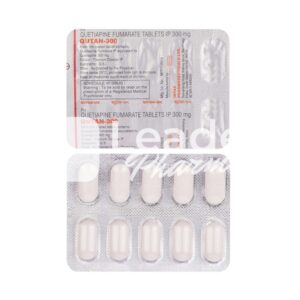
Seroquel is a widely recognized antipsychotic treatment used to manage complex mental health conditions such as schizophrenia and bipolar disorder. Specifically, this medication contains the active ingredient known as quetiapine, which assists in balancing natural substances in the brain called neurotransmitters. Although many patients are familiar with the original brand name, a cost-effective quetiapine generic is also available, offering identical therapeutic benefits. Therefore, clinicians often incorporate this drug into comprehensive treatment plans to significantly improve mood, sleep patterns, and overall cognitive stability. Ultimately, reliable results and a long-standing clinical history make this pharmaceutical intervention a primary choice for those seeking proven stabilization.
What is Seroquel and what is it used for
To answer the common question of what is seroquel, this atypical antipsychotic works by affecting the balance of neurotransmitters in the brain. Consequently, understanding what is seroquel used for helps patients manage mood and thought processes when dealing with complex psychological conditions.
Primary Therapeutic Indications
- First and foremost, standard seroquel uses include the long-term management of schizophrenia and the treatment of manic or depressive episodes associated with bipolar disorder.
- Furthermore, medical professionals frequently add seroquel for depression as a supplemental therapy when traditional antidepressants alone fail to provide sufficient relief.
Off-Label Use for Sleep and Anxiety
- While not its primary indication, some clinicians prescribe seroquel for sleep when patients struggle with severe insomnia related to other mental health issues.
- In addition, in certain clinical settings, doctors offer low doses as an off-label treatment of seroquel for anxiety to help calm persistent racing thoughts.
How it works
To understand how this treatment works, it is important to look at its interactions with various chemical receptors in the brain.
Mechanism of Action and Neurotransmitters
- The primary mechanism of action involves acting as an antagonist to multiple neurotransmitter receptors, specifically focusing on dopamine and serotonin pathways.
- So, what does the medication do exactly? Basically, it helps stabilize mood and behavior by modulating the overactivity of certain brain chemicals that contribute to psychotic or depressive symptoms.
Impact on Dopamine and Serotonin Levels
- One common clinical question is, does seroquel increase or decrease dopamine; in fact, it actually blocks D2 receptors, thereby decreasing dopamine activity in specific brain regions to reduce hallucinations.
- Similarly, when asking whether the drug affects serotonin levels, it acts as a potent antagonist at 5HT2 receptors, which subsequently helps balance mood and improves the therapeutic profile of the therapy.
Pharmacokinetics
Understanding the internal cycle of quetiapine helps patients optimize their treatment schedule and manage clinical expectations effectively.
Metabolism and Plasma Concentrations
- Clinical data indicates that the seroquel half life is approximately 6 to 7 hours for the parent compound, although its active metabolite, norquetiapine, remains in the body for a significantly longer duration.
- Moreover, rapid absorption follows oral administration, allowing the drug to reach peak plasma concentrations within approximately 1.5 hours before being primarily processed by the liver.
- As a result, steady-state concentrations are generally achieved within two days of starting the titration, ensuring a consistent therapeutic level in the bloodstream for most users.
Duration and Systemic Elimination
- Determining exactly how long does seroquel stay in your system depends on individual metabolism, since most of the medication is typically cleared within 48 hours after the last dose.
- Indeed, initial sedative effects may be felt shortly after ingestion, yet many patients still wonder how long does seroquel take to work for full mood stabilization, which usually requires several weeks of consistent therapy.
- Finally, primary excretion occurs through the kidneys and feces, making regular monitoring of renal and hepatic function a vital part of long-term psychiatric care.
Dosage
Determining the most effective seroquel dosage requires a personalized approach based on the specific psychiatric condition and individual patient response. Healthcare providers typically utilize a titration process, where the amount of quetiapine is gradually adjusted to reach an optimal therapeutic window. This structured method minimizes initial adverse reactions while allowing the central nervous system to adapt to the medication’s effects on dopamine and serotonin pathways.
| Tablet Strength | Clinical Indication | Dosage Phase | Typical Daily Range | Notes |
|---|---|---|---|---|
| 25 mg | Schizophrenia / Bipolar Disorder | Initial Titration Phase (Day 1-2) | 25 mg to 50 mg twice daily | Used specifically to assess tolerance and prevent sudden hypotension. |
| 50 mg | Major Depressive Disorder (Add-on) | Therapeutic Maintenance Phase | 150 mg – 300 mg | Usually administered at bedtime to manage sedative properties effectively. |
| 100 mg | Bipolar Depression | Dose Escalation Phase | 300 mg once daily | The amount is typically increased over four days to reach the target level. |
| 200 mg | Bipolar Mania (Acute) | Full Therapeutic Phase | 400 mg – 800 mg | Divided doses or Extended-Release (XR) variants are often preferred. |
| 300 mg | Chronic Schizophrenia | Maintenance Stabilization | 400 mg – 800 mg | Higher strengths assist in reducing the daily pill burden for long-term users. |
Following professional medical guidance is mandatory, as the maximum dosage of seroquel generally peaks at 800 mg per day for most adult psychiatric conditions. Surpassing these recommended safety limits can significantly increase the risk of severe toxicity or metabolic disturbances. Regular clinical reviews ensure that the dose remains appropriate as the patient’s stabilization progresses over time.
How to take the medication correctly
- Knowing how to use this treatment is vital for its effectiveness; you must take the medication exactly as your doctor prescribes, usually at the same time each day.
- Since the drug can cause significant drowsiness, patients often ask what time they should take their nightly dose; most healthcare providers recommend taking it shortly before bedtime to improve sleep and minimize daytime fatigue.
- Swallow the seroquel pill whole with a glass of water and do not crush or chew it, as breaking the tablet alters how it releases the active ingredient into your system.
- Depending on your prescription, you may receive tablets in different strengths. You must store these tablets at room temperature, away from moisture and direct heat.
- It is also important to understand the difference between the XR vs IR versions; the Extended-Release (XR) variant provides a steady level of medication throughout the day, whereas the Immediate-Release (IR) form enters the bloodstream more quickly.
Side Effects and Safety
While quetiapine is highly effective, its impact on multiple neurotransmitters means patients should prepare for specific physical and neurological adjustments during therapy.
Common Reactions and Sleep-Related Effects
- Sedation and the “Seroquel Hangover”: Because doctors frequently prescribe low doses (25mg to 50mg) off-label for severe insomnia, profound drowsiness remains the most common reaction. Many users report a next-day “Seroquel hangover,” characterized by morning grogginess, heavy lethargy, and difficulty waking up.
- Sleep Architecture: While the medication knocks you out relatively quickly, the deep sedation can alter your sleep cycles, which occasionally leads to unusually vivid dreams or night terrors.
- Anticholinergic Symptoms: Dry mouth, dizziness (especially when standing up), and constipation frequently occur during the first few weeks of treatment as the central nervous system adapts.
Metabolic Changes and Weight Gain
- Appetite and Sugar Cravings: Patients frequently discuss Seroquel weight gain as a primary concern. The drug strongly blocks histamine (H1) receptors, which disrupts satiety signals and triggers intense, late-night sugar cravings (patients often call these the “Seroquel munchies”).
- Metabolic Shift: Clinical data suggests that the drug directly impacts metabolic health, altering how the body processes glucose and lipids. Therefore, clinical evidence confirms that the medication causes mass increase for a significant portion of users, making regular cholesterol monitoring essential.
Hormonal, Neurological, and Overdose Risks
- Hormonal Fluctuations: Potential negative effects in females may include changes in menstrual cycles or breast discharge due to elevated prolactin levels. In males, side effects might involve sexual dysfunction or, in rare cases, a condition called priapism, which requires immediate medical attention.
- Long-Term Neurological Effects: Doctors must thoroughly evaluate patients on chronic therapy, as prolonged use of antipsychotics occasionally triggers involuntary movement disorders like tardive dyskinesia.
- Toxicity Risks: You must follow the exact prescribed dose to avoid a Seroquel overdose. Taking too much causes severe, unarousable sedation, dangerous drops in blood pressure, rapid heartbeat, and fainting. Seek emergency medical help immediately if you suspect an overdose.
Drug Interactions
Understanding potential interactions is essential for patient safety, as certain substances can alter the efficacy of the medication or increase the risk of severe side effects. Below is a guide on common substances and drugs not to take with seroquel without prior medical consultation.
| Substance / Medication Class | Interaction Description and Safety Advice |
|---|---|
| Alcoholic Beverages | Combining alcohol with quetiapine is dangerous as it significantly amplifies central nervous system depression. This can lead to extreme sedation, respiratory risks, and impaired motor coordination. |
| Benzodiazepines (e.g., Xanax) | Using quetiapine alongside alprazolam or other sedatives increases the risk of profound drowsiness and potentially life-threatening respiratory depression. |
| CYP3A4 Inhibitors (e.g., Prozac) | Fluoxetine and similar medications can slow down the metabolism of quetiapine, leading to higher concentrations in the blood and an increased risk of toxicity. |
| QT-Prolonging Drugs (e.g., Trazodone) | Concurrent use may lead to abnormal heart rhythms. Continuous cardiac monitoring is often required if these medications are combined. |
Price and Availability in the UK
Affordable pricing for Quetiapine starts at £0.35 per tablet, providing a cost-effective solution for long-term mental health management. Selecting larger pack sizes allows for further savings while ensuring a consistent supply of your medication. Each order is handled with professional care, including anonymous packaging and fully tracked delivery to any residential address.
Our distribution network ensures that patients in every corner of the country have access to reliable pharmaceutical care. We dispatch all parcels from secure facilities to maintain privacy and product integrity.
| UK Distribution Zones | Key Cities and Metropolitan Areas | Delivery Time |
|---|---|---|
| London & South East England | London, Brighton, Reading, Southampton, Portsmouth, Oxford | 9–21 working days |
| South West & West Midlands | Bristol, Plymouth, Birmingham, Coventry, Wolverhampton, Stoke-on-Trent | 9–21 working days |
| East Midlands & East of England | Nottingham, Leicester, Norwich, Cambridge, Peterborough, Derby | 9–21 working days |
| North West & North East England | Manchester, Liverpool, Newcastle, Sunderland, Middlesbrough, Preston | 9–21 working days |
| Yorkshire and the Humber | Leeds, Sheffield, Hull, Bradford, York, Huddersfield | 9–21 working days |
| Scotland (Highlands & Lowlands) | Edinburgh, Glasgow, Aberdeen, Dundee, Inverness, Perth | 9–21 working days |
| Wales & Northern Ireland | Cardiff, Swansea, Newport, Belfast, Derry, Lisburn | 9–21 working days |
Note: Service is available to 100% of the UK territory, including the Isle of Wight, Isle of Man, and the Channel Islands. If your specific town is not listed in the table above, be assured that our logistics partners still provide full door-to-door coverage for your region.
Micro FAQ: Quick Technical Reference
Is Quetiapine classified as a controlled substance?
Can I order Seroquel online without a prescription?
Is there a risk of developing an addiction to this medication?
How many hours does the sedative effect typically last?
What is the price per tablet for UK customers?
General FAQ: In-Depth Product Guide
Pharmacological Profile
What is the primary active ingredient in Seroquel?
How does standard Seroquel differ from the XR version?
Which dosage strengths are available for purchase?
Side Effects, Weight Gain, and Alternatives
Why does Seroquel cause such intense sugar cravings and weight gain?
How does Seroquel weight gain compare to Zyprexa (Olanzapine) or Abilify?
Is it safe to consume alcohol during the treatment period?
Can this medication paradoxically cause insomnia?
Withdrawal and Discontinuation
What are the common signs of quetiapine discontinuation syndrome?
How long does the rebound insomnia and withdrawal last?
Shipping and Confidentiality
What packaging is used for international shipping?
How many tablets are included in a bulk supply?
Conclusion
Quetiapine remains a cornerstone of modern psychiatric treatment for those managing schizophrenia or bipolar disorder. Successfully balancing the therapeutic benefits with individual tolerance requires a structured approach to dosage and titration. Patients must remain proactive regarding metabolic health monitoring to ensure long-term safety throughout the recovery journey. Maintaining an open dialogue with healthcare providers is the most effective way to maximize the positive impact of this treatment. A major advantage for patients is that this product can be bought without a prescription, ensuring timely access to therapy.
Should you have additional questions regarding your order or the generic version of this medication, our professional support team is available to provide immediate assistance. Information provided here follows clinical pharmacological guidelines to help support informed healthcare decisions.