Sotalol
In stock
40mg
from 20,15 £
In brief
- Sotalol is a prescription-only antiarrhythmic medicine that combines beta-blocking action with a prolonging effect on cardiac repolarisation.
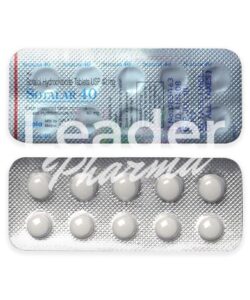
- Listed here as a 40 mg tablet in seven pack sizes from 20 to 360 tablets; the packs supplied are an imported product.
- Maintenance usually involves two doses a day about 12 hours apart, set by a clinician with regular ECG checks.
Rhythm problems treated with Sotalol
Sotalol is used when the heart beats in an abnormal, often fast, rhythm. On the ventricular side, the UK SmPC covers life-threatening ventricular tachyarrhythmias as well as non-sustained ventricular tachycardia that causes symptoms. On the supraventricular side, it is used to prevent recurrent episodes of atrial fibrillation, atrial tachycardia and re-entrant tachycardias, including those arising after cardiac surgery, and to help the heart stay in normal rhythm after atrial fibrillation or atrial flutter has been corrected. Angina and high blood pressure are not among its licensed uses. Unlike most beta-blockers, it also has class III properties: it prolongs repolarisation, which steadies the rhythm but also lengthens the QT interval on the ECG.
Pack options for the 40 mg strength
Sotalol hydrochloride 40 mg tablets are available here in quantities of 20, 30, 60, 90, 120, 180 or 360, sourced as an imported product. In the UK, sotalol tablets are licensed as POM medicines and are produced as generics by more than one company. The 40 mg strength is often used to build up the dose in small steps or to provide the lower doses needed when the kidneys are not working fully.
Why the QT interval and electrolytes matter
The main hazard of sotalol is proarrhythmia – a new or worse rhythm disturbance, most importantly torsade de pointes. This risk depends on the dose and usually appears within seven days of starting or increasing it. It is higher with a long QT interval, a slow heart rate, low potassium or magnesium, high blood levels of sotalol, female sex, heart failure or an enlarged heart. For this reason the ECG, kidney function and electrolytes are checked before each change. The SmPC advises caution once the QTc exceeds 500 ms and serious consideration of a lower dose or stopping above 550 ms. Severe or prolonged diarrhoea, or medicines that deplete potassium or magnesium, call for closer blood tests.
Building the dose step by step
Treatment begins at 80 mg a day, which can be taken in one go or as two doses, in a setting where the heart rhythm can be monitored. Increases follow at intervals of two to three days. The usual maintenance range is 160–320 mg daily, split into two doses roughly twelve hours apart; higher doses of 480–640 mg a day are reserved for specialist care of refractory, life-threatening ventricular arrhythmias. According to the SmPC, taking it with a standard meal reduces absorption by about a fifth compared with an empty stomach. With a creatinine clearance of 30–60 ml/min the dose is halved, at 10–30 ml/min it is quartered, and below 10 ml/min the medicine is avoided.
Medicines and conditions that need attention
Sotalol must not be used in asthma or chronic obstructive airway disease, sick sinus syndrome, high-grade heart block without a pacemaker, long QT syndrome, symptomatic bradycardia, uncontrolled heart failure, cardiogenic shock, low blood pressure, severe peripheral circulatory disease, untreated phaeochromocytoma, metabolic acidosis or severe kidney failure. Combining it with disopyramide, quinidine, procainamide or amiodarone is not recommended. Particular caution applies to other QT-prolonging medicines, such as phenothiazines, tricyclic antidepressants, intravenous erythromycin and quinolone antibiotics. Verapamil and diltiazem add to the slowing of conduction, digoxin may further prolong AV conduction, and if clonidine is to be stopped, sotalol should be tapered off several days beforehand. Insulin or diabetes tablets may need adjusting.
Possible adverse effects
Commonly reported are bradycardia, shortness of breath, fatigue, dizziness or light-headedness, headache, chest pain, palpitations, oedema, fainting, stomach upset, rash, muscle cramps, anxiety, mood change, sleep problems, visual or hearing disturbances and sexual dysfunction. Stopping suddenly can worsen angina or arrhythmia, so any withdrawal is gradual. Whether Sotalol is suitable, and at what dose, is for the specialist or prescriber to decide.