Timoptic
In stock
0.5%
from 23,88 £
In brief
- Timoptic is a timolol eye drop that lowers raised pressure inside the eye in glaucoma and ocular hypertension.
- Available as a 0.5% solution, in packs of 2, 4 or 6 bottles.
- Timolol eye drops are prescription-only (POM) in the UK, where Timoptol is the licensed brand.
Timoptic and pressure inside the eye
Timoptic contains timolol maleate, a non-selective beta-blocker used as an eye drop. It reduces the amount of watery fluid (aqueous humour) produced inside the eye, which brings down intra-ocular pressure. Persistently high pressure can damage the optic nerve and gradually narrow the field of vision, often without any early symptoms. The UK SmPC for timolol drops lists ocular hypertension, chronic open-angle glaucoma (including in people who have had cataract surgery leaving them without a natural lens) and some forms of secondary glaucoma.
Strength, bottles and status in the UK
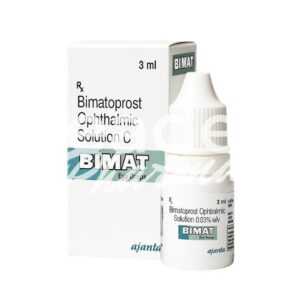
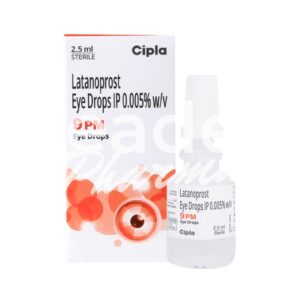
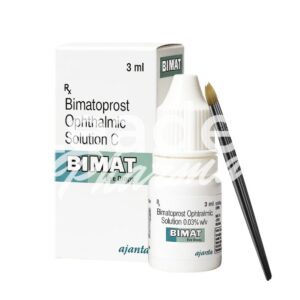
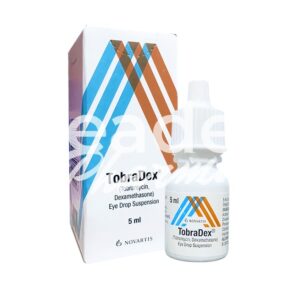
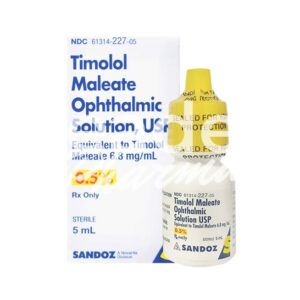
This product is the 0.5% solution, in which every millilitre provides 5 mg of timolol. It is sold as packs of 2, 4 or 6 bottles. The bottle in the photograph is an imported pack, not a UK one. Timoptic itself is not a brand name used in the UK. Here the same medicine is sold as Timoptol 0.25% and 0.5% by Santen, as generic timolol drops, and in gel-forming long-acting versions and fixed combinations with other glaucoma treatments. All of these are POM.
Putting the drops in
The UK SmPC starts most adults on one drop of the 0.25% strength in the affected eye twice daily, moving up to one drop of 0.5% twice daily if pressure is not controlled well enough. So the 0.5% strength offered here is the higher of the two usual concentrations, and its normal ceiling is one drop twice a day. Pressure is rechecked after about four weeks, and some people can then manage on a single daily drop. Pressing gently on the inner corner of the eye, or keeping the eyelids closed for two minutes after each drop, cuts the amount that reaches the bloodstream. The dropper tip should not touch the eye, and an opened bottle is discarded after 28 days. Use in children is limited to specialist situations.
Asthma, heart conditions and other cautions
Even as an eye drop, timolol is absorbed into the body and can act like a beta-blocker tablet. That is why it must not be used by people with asthma or a history of it, severe chronic obstructive pulmonary disease, a slow heart rate, sick sinus syndrome, second- or third-degree heart block without a pacemaker, overt heart failure or cardiogenic shock. Extra care is needed with milder COPD, coronary heart disease, low blood pressure, Raynaud’s phenomenon, diabetes (low blood sugar warning signs may be masked) and an overactive thyroid. The drops contain the preservative benzalkonium chloride, which can irritate the eye and build up in soft contact lenses; lenses should be taken out first and left out for at least 15 minutes. In pregnancy Timoptic is used only if clearly necessary, and timolol passes into breast milk.
Combining with other medicines
Blood pressure may fall further, or the pulse slow markedly, when the drops are used alongside beta-blocker tablets, calcium-channel blockers such as verapamil or diltiazem, amiodarone and other antiarrhythmics, digoxin or reserpine. Quinidine, fluoxetine and paroxetine can strengthen beta-blockade. Using two beta-blocker eye drops at once is not recommended, and adrenaline-containing drops have occasionally widened the pupil when combined with timolol.
Side effects of Timoptic
Burning, stinging, itching, watering, redness and dry eyes are the most familiar local effects, and blurred vision can follow each drop for a short while. Breathlessness, wheeze, a slow or irregular pulse, dizziness, fainting, tiredness, low mood and cold hands or feet point to effects elsewhere in the body and should be discussed with the GP or optometrist. Sudden breathing difficulty requires emergency help through 999 or A&E.
Under specialist supervision
Whether Timoptic suits a particular eye, and how pressure is monitored over time, is decided by the ophthalmologist or prescribing clinician.