Mysimba
In stock
8/90mg
from 68,36 £
In brief
- Mysimba is a prescription-only weight-management medicine combining naltrexone and bupropion, for adults who meet set BMI criteria.
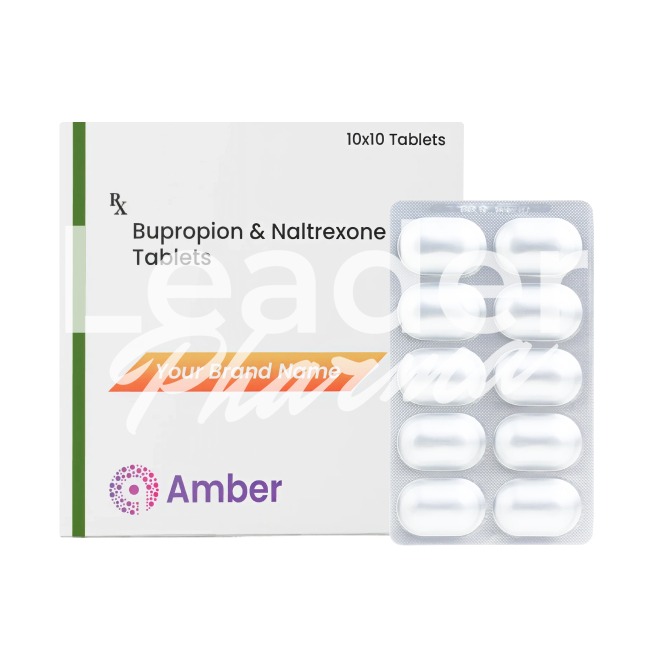
- The 8 mg/90 mg prolonged-release tablets come in quantities of 30, 60, 90 or 120 and are sourced as an imported product.
- Taken twice daily once titration is complete, with a maximum of four tablets in 24 hours.
What Mysimba is licensed to do
Mysimba is a fixed combination of naltrexone and bupropion designed to help adults manage their weight, as part of a programme that also includes eating fewer calories and being more active. The SmPC sets the starting threshold at a body mass index of at least 30 kg/m², or at least 27 kg/m² where there is also a weight-related illness – for example type 2 diabetes, abnormal blood lipids or high blood pressure that is controlled with treatment. Bupropion, which on its own is used in the UK as an aid to stopping smoking, influences dopamine and noradrenaline; naltrexone blocks opioid receptors. Acting together in the hypothalamus and the brain's reward pathways, they are thought to reduce appetite and the reward drive linked to eating, though the mechanism is not fully established.
The 8 mg/90 mg tablet and UK prescribing guidance
There is a single strength, a prolonged-release tablet containing 8 mg naltrexone hydrochloride with 90 mg bupropion hydrochloride. On this page it comes in quantities of 30, 60, 90 or 120, sourced as an imported product. In the UK Mysimba holds a marketing authorisation as a POM. NICE (TA494) did not recommend naltrexone–bupropion for overweight and obesity in adults in its 2017 appraisal, and any decision to use it rests with the prescriber.
Titration and the 16-week check
Starting gradually helps the body adjust. The schedule runs: one morning tablet in week 1; one morning and one evening tablet in week 2; in week 3, a pair of tablets each morning with a single one at night; then two in the morning and two in the evening from week 4 onward. Four tablets a day is the limit. They are swallowed whole – never split, chewed or crushed – with water, ideally with food. A missed tablet is not replaced with an extra one. After 16 weeks of treatment, if weight has fallen by less than 5% the medicine should be stopped, and anyone continuing has their treatment reassessed annually. People with moderate or severe kidney impairment or mild liver impairment take no more than two tablets daily.
Situations where it is ruled out
Mysimba must be avoided with blood pressure that is not under control, epilepsy or any past seizures, a brain or spinal tumour, sudden withdrawal from alcohol or benzodiazepines, bipolar disorder, an eating disorder such as bulimia or anorexia now or in the past, and alongside other medicines containing bupropion or naltrexone. Long-term opioid use, methadone treatment and acute opioid withdrawal also exclude it, as do MAOI antidepressants taken within the previous 14 days, severe hepatic impairment and end-stage renal failure. Pregnancy, planning a pregnancy and breastfeeding are further reasons not to use it. It is also not recommended for people over 75 or for those with moderate liver impairment.
Safety checks and medicines that interact
The risk of a seizure rises with dose; caution is needed after a head injury, with heavy drinking and with diabetes treatment that can cause hypos, and a seizure means stopping permanently. Blood pressure and heart rate are monitored, since increases – and hypertensive crisis during titration – have been reported. Mood should be watched for depression, mania or suicidal thoughts. Because naltrexone blocks opioids, opioid painkillers and opioid-containing cough or diarrhoea medicines may be less effective. Bupropion's inhibition of CYP2D6 can raise levels of beta-blockers like metoprolol, tricyclic antidepressants and antipsychotics, and may reduce the effect of tamoxifen; digoxin levels may also change. Combining it with SSRIs or SNRIs carries a risk of serotonin syndrome.
Commonly reported side effects
In trials the most frequent complaints were nausea, constipation, vomiting and headache. Dizziness, a dry mouth, difficulty sleeping, jitteriness, shaking, stomach pain, altered taste, tinnitus, sweating, itching, hair loss, palpitations and higher blood pressure are also common. Drowsiness can occur, so driving needs care. Your prescriber will decide whether Mysimba is suitable and whether treatment should continue.