
Hydroxyzine
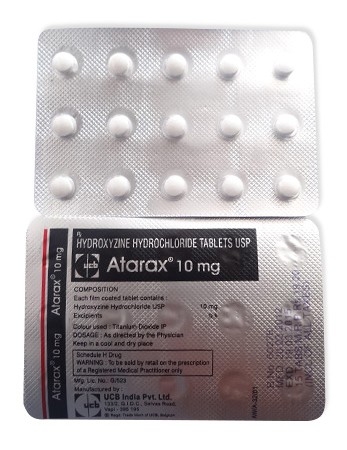
Hydroxyzine
- In our pharmacy, you can buy Hydroxyzine without a prescription, with delivery in 9–21 days worldwide. Discreet and anonymous packaging.
- Hydroxyzine treats allergies, anxiety, itching, and insomnia by blocking histamine receptors and calming the nervous system.
- The usual adult dose is 25-50 mg multiple times daily or as a single bedtime dose. Maximum daily dose is 100 mg.
- Administered orally as tablets, capsules, or syrup.
- Effects typically begin within 15-30 minutes after administration.
- Action lasts 4-6 hours per dose.
- Avoid alcohol—combining intensifies drowsiness and sedation risks.
- The most common side effect is drowsiness, with dry mouth and fatigue also occurring.
- Try Hydroxyzine without a prescription for fast relief—would you like to experience its calming benefits?
Trackable delivery
9-21 days
Payment method
Visa, Mastercard, Discovery, Bitcoin, Ethereum
Free delivery (by Standard Airmail) on orders over £150
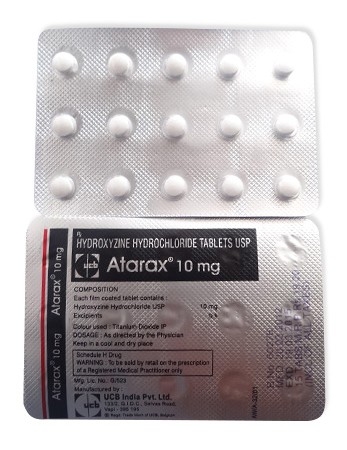
Hydroxyzine: price, dosage, side effects and where to order it online
Product overview
Hydroxyzine is a widely used antihistamine medicine. Most people know antihistamines as allergy treatments. However, hydroxyzine is unique. It easily reaches the brain to provide a calming effect. This makes it very useful for allergic itching. It is also excellent for treating anxiety and helping with sleep. In the UK, you can find it under brand names like Ucerax and Atarax. It is also available under its generic name. One of the biggest benefits is that it does not cause addiction. It does not create physical dependence like many other anxiety medications. It continues to be a popular choice because it provides reliable relief. The medicine has a well-understood safety profile.What is Hydroxyzine and what is it used for
This medication is versatile and treats several different conditions. It works on the entire body to stop allergic reactions. It also calms the nervous system effectively. According to UK health standards, it comes in two forms: hydrochloride and pamoate. Both work in the exact same way once inside your body. It is clinically prescribed for the following reasons:Management of Anxiety and Stress
- Management of acute and chronic emotional tension. It provides a steady calming effect for the user.
- Reduction of physical manifestations of stress. This includes muscle tension and general agitation.
Relief for Skin Allergies and Pruritus
- Rapid relief from pruritus (itching). This is caused by conditions such as urticaria, eczema, and dermatitis.
- Control of histamine-mediated reactions. It works for cases that do not respond to second-generation antihistamines.
Sleep Support and Nausea Control
- Support for natural sleep cycles. It is used in cases of occasional insomnia or restless nights.
- Prevention and treatment of motion sickness. It is also effective for managing symptoms of nausea.
How it works
Pharmacodynamics: H1-Receptor Antagonism
The medicine works by changing how chemicals communicate in your brain and peripheral tissues. Its primary pharmacological action is to function as a potent H1-receptor antagonist. This means its main job is to block histamine. Histamine is the chemical your immune system releases during an allergic reaction. This causes redness, swelling, and intense itching. By blocking these receptors, the medicine quickly stops these histamine-mediated allergy symptoms.Neurological Action on 5-HT2A Serotonin Receptors
Unlike standard antihistamines, this drug also blocks a specific serotonin receptor in the brain, known as the 5-HT2A receptor. Serotonin regulates your mood and general feelings. Adjusting this specific pathway helps lower your anxiety levels significantly. It makes you feel relaxed without the heavy "drugged" feeling often associated with stronger sedatives. Finally, it has a mild anticholinergic drying effect on the body. This helps to stop nausea and vomiting effectively by calming the vestibular system.Safety and Non-Addictive Profile
The medicine does not interact with the brain's GABA receptors like strong sedatives or benzodiazepines. It provides a gentle calming effect through histamine and serotonin modulation. It does not form a dangerous habit or physical dependence. Clinical data from the MHRA confirms its safety profile for short-term and intermittent use.- Blocks H1-histamine receptors: Stops the allergic response and causes initial therapeutic drowsiness.
- Antagonizes 5-HT2A serotonin receptors: Helps balance your mood and reduces feelings of panic.
- Relaxes the stomach and vestibular nerves: Prevents motion sickness and feeling sick.
- No risk of addiction: It does not alter the brain's dopamine reward system. This makes it safer for medium-term use.
Pharmacokinetics
Absorption, Bioavailability and Distribution
This section explains how your body processes the medicine through the ADME cycle (Absorption, Distribution, Metabolism, and Elimination). Clinical data from the eMC shows it is quickly absorbed with a high bioavailability of approximately 80%. When you swallow a tablet, the process begins immediately. You will usually start to feel less anxious within 15 to 30 minutes. The same timeline applies to pruritus (itching) relief.Liver Metabolism via CYP3A4/5 and Cetirizine Conversion
The medicine reaches its peak plasma level (Cmax) in your blood in about two hours. Once inside, it spreads throughout your body with a large volume of distribution (Vd), approximately 7–16 L/kg. The active molecule travels especially well to the skin. Your liver breaks down the medicine through the CYP3A4 and CYP3A5 enzyme systems into a new active chemical. This chemical is called cetirizine. Cetirizine is another well-known allergy medicine. It helps keep your allergy symptoms away for a longer time. This metabolic process extends the therapeutic effect of each dose.Elimination, Half-Life and Clearance
For a healthy adult, the elimination half-life is about 20 hours. This is the time needed to remove half of the medicine from your system. The process takes longer in older adults, lasting up to 29 hours due to decreased hepatic clearance. It is much faster in children, taking about 7 hours. Finally, the medicine leaves your body mostly through your urine as inactive metabolites.- Fast absorption: High bioavailability ensures it starts working in 15 to 30 minutes.
- Large distribution: Travels effectively to the skin and crosses the blood-brain barrier.
- Hepatic processing: Liver enzymes convert it into cetirizine for extended relief.
- Renal elimination: Doses need to be timed carefully as it takes over 24 hours to clear fully.
Dosage
The right dose depends on what you are treating, your age, and your overall health. For adults, a typical total daily dose ranges from 25mg to 100mg, split into smaller doses taken throughout the day. It is always best to use the lowest dose that works for the shortest amount of time. Older adults should not take more than 50mg a day because their bodies process the medicine slower, making side effects like sleepiness more severe. For children, the dose is carefully calculated based on their body weight. People with liver or kidney problems will also need a lower dose to stay safe.| Condition and Age Group | Standard Recommended Dose | Maximum Daily Dose |
|---|---|---|
| Anxiety in adults | 50mg to 100mg a day, split into 4 separate doses. | 100mg |
| Itching and hives in adults | 25mg at night, up to 25mg 3 to 4 times a day if needed. | 100mg |
| Sleep problems in adults | 25mg to 50mg taken 30 to 60 minutes before bed. | 100mg |
| All uses for elderly adults | Start with 25mg at night, maximum 25mg twice a day. | 50mg |
| Itching in children (under 40kg) | 1mg to 2mg per kilogram of body weight a day, split up. | 2mg per kg |
How to take Hydroxyzine correctly
Optimal Administration and Dosing Schedule
Taking the medicine exactly as directed helps you get the best results while avoiding unwanted side effects. It is best to swallow the tablets whole with a large glass of water, either with or without food. Should you experience a slightly upset stomach, a light meal or a glass of milk can often provide relief. If the primary goal is to help you sleep, make sure to take the dose 1 to 2 hours before bed to prevent feeling groggy the next morning.Safe Withdrawal and Long-term Management
For those who have used this medication daily for several months, do not stop the treatment suddenly. Abruptly ending your course can cause anxiety or sleep problems to return even worse, alongside headaches and shaking. Slowly lowering your dose over time helps your receptors adjust back to normal levels.- Timing your doses: Try to take your medicine at the same times every day to keep a steady steady-state in your system.
- Missed doses: If you forget a dose, take it as soon as you remember. If it is almost time for your next dose, skip the missed one.
- Duration of use: This medicine is meant for short-term relief. Using it for more than 4 months requires a clinical review.
- Allergy testing: Stop taking the medicine at least 5 to 7 days before any skin prick tests, or the test results will be false negatives.
Side effects and safety
Common Anticholinergic Side Effects
This medicine relaxes the brain and dries out bodily fluids through its anticholinergic action. Because of this, it has some common side effects. The most frequent issue is somnolence (feeling very sleepy) or fatigue. This usually happens during the first few days of treatment. The feeling typically gets better as your body adjusts to the H1-blockade. You might also experience a dry mouth or blurry vision.Serious Cardiac Safety: QT Prolongation
The most serious safety concern is related to the heart's electrical rhythm. In rare cases, this medicine causes QT prolongation. This is a known risk monitored by the MHRA. Therefore, you should not take it if you have an irregular heartbeat or a family history of sudden cardiac arrest. It is also unsafe for those with severe heart disease or low potassium levels.Metabolic and Long-term Safety
People often ask if the medicine causes weight gain. It does not directly change your metabolism or insulin levels. However, because it makes you relaxed and sleepy, you might exercise less or experience increased appetite. Older adults should be cautious as the drying effects can lead to constipation, trouble passing urine, or temporary memory issues.- Nervous system: Somnolence, dizziness, and morning sluggishness.
- Anticholinergic effects: Dry mouth (xerostomia), less sweating, and blurry vision.
- Heart risks: Rare but serious risk of Torsades de Pointes (irregular heartbeat).
- Elderly risks: Increased risk of falls and confusion due to extended half-life.
Drug Interactions and Clinical Comparisons
Combined CNS Depression and Alcohol
This medicine can react badly with other drugs. It can make side effects worse or cause dangerous health issues. The most important rule is to avoid mixing it with central nervous system (CNS) sedatives. This includes anything that makes you sleepy. Combining it with alcohol or sleeping pills causes extreme drowsiness. It may also slow down your breathing to dangerous levels (respiratory depression).Cardiac Safety and CYP3A4 Inhibitors
You must avoid medicines that affect your heart's electrical rhythm, as hydroxyzine can increase the risk of QT prolongation. This includes certain macrolide antibiotics or specific heart medications. Furthermore, fresh grapefruit juice acts as a potent CYP3A4 inhibitor. This juice stops your liver from breaking the medicine down. This causes the drug to build up in your blood, leading to severe side effects and increased toxicity risk.Hydroxyzine vs. Benzodiazepine Alternatives
Many users compare Hydroxyzine to Benzodiazepines like Xanax or Diazepam. Unlike those drugs, Hydroxyzine is not a controlled substance. It does not carry a risk of physical addiction or chemical tolerance. Furthermore, patients face no risk of withdrawal symptoms when stopping the treatment. This makes it a safer expert choice for anxiety management. While Benzodiazepines work faster on GABA receptors, Hydroxyzine provides a gentler calming effect through the serotonin system.Comparison with Z-Drugs and Sleep Aids
The medication is also frequently compared to Z-drugs like Zolpidem for sleep. Hydroxyzine is often preferred due to its unique antihistamine and anticholinergic properties. These effects treat both the racing mind and physical itching simultaneously. Consequently, it provides a more versatile solution for patients with multiple symptoms without the risk of "sleep-walking" side effects.| Mixing Substance | Interaction Character | Safety Strategy |
|---|---|---|
| Alcohol (all types) | Severe potentiation of sedation | Complete avoidance to prevent respiratory depression |
| Opioids / Painkillers | High risk of combined CNS depression | Avoid combining or use extremely low doses |
| Grapefruit Juice | CYP3A4 metabolic blockage | Switch to orange or apple juice to prevent toxicity |
| Sertraline / SSRIs | Potential for additive drowsiness | Monitor energy levels and adjust timing |
| Class IA/III Antiarrhythmics | Increased risk of QT prolongation | Strict avoidance to protect heart rhythm |
Price and availability
The minimum price for Hydroxyzine in the UK starts from as little as £0.54 per tablet when purchasing larger quantities through our online pharmacy. While this medication is available to order without a prescription, providing a convenient and confidential way to manage symptoms of anxiety or itching, it is strongly recommended to consult with a doctor before starting treatment. Seeking professional medical advice ensures the correct dosage for your specific needs and helps you avoid potential side effects, such as extreme drowsiness or dry mouth, ensuring your path to recovery is both safe and effective.| UK Distribution Zones | Key Cities and Metropolitan Areas | Delivery Time |
|---|---|---|
| London & South East England | London, Brighton, Reading, Southampton, Portsmouth, Oxford | 9–21 working days |
| South West & West Midlands | Bristol, Plymouth, Birmingham, Coventry, Wolverhampton, Stoke-on-Trent | 9–21 working days |
| East Midlands & East of England | Nottingham, Leicester, Norwich, Cambridge, Peterborough, Derby | 9–21 working days |
| North West & North East England | Manchester, Liverpool, Newcastle, Sunderland, Middlesbrough, Preston | 9–21 working days |
| Yorkshire and the Humber | Leeds, Sheffield, Hull, Bradford, York, Huddersfield | 9–21 working days |
| Scotland (Highlands & Lowlands) | Edinburgh, Glasgow, Aberdeen, Dundee, Inverness, Perth | 9–21 working days |
| Wales & Northern Ireland | Cardiff, Swansea, Newport, Belfast, Derry, Lisburn | 9–21 working days |