
Retin-A Cream
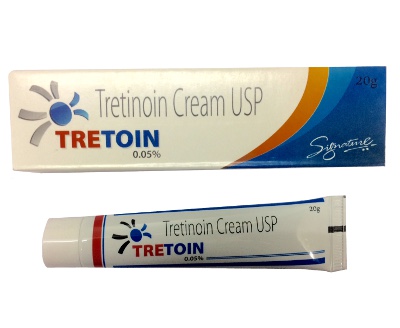
Retin-A Cream
- In our pharmacy, you can buy Retin-A Cream without a prescription, with delivery in 5–14 days throughout the United Kingdom. Discreet and anonymous packaging.
- Retin-A Cream is used to treat acne vulgaris and photoaging (sun-induced skin aging). It contains tretinoin, a retinoid that normalizes skin cell turnover, reduces inflammation, unclogs pores, and stimulates collagen production.
- The usual dosage is a pea-sized amount of 0.025%–0.1% cream applied once daily at bedtime for acne; 0.05% cream once nightly for photoaging.
- Form of administration: Topical cream applied as a thin layer to clean, dry skin on affected areas (e.g., face).
- Onset time: Visible improvement occurs within 2–3 weeks.
- Duration of action: Full effects appear after 6–12 weeks of continuous use; maintenance therapy requires ongoing application.
- Avoid alcohol-based skincare products during treatment to prevent irritation; alcohol consumption may exacerbate skin dryness.
- Most common side effects: Skin redness, burning, stinging, peeling, dryness, temporary acne worsening (“purging”), and increased sun sensitivity.
- Would you like to try Retin-A Cream to achieve clearer, rejuvenated skin without a prescription?
Trackable delivery
9-21 days
Payment method
Visa, Mastercard, Discovery, Bitcoin, Ethereum
Free delivery (by Standard Airmail) on orders over £150
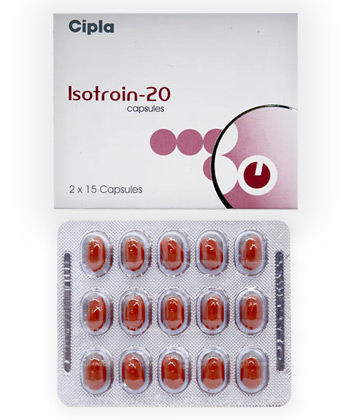
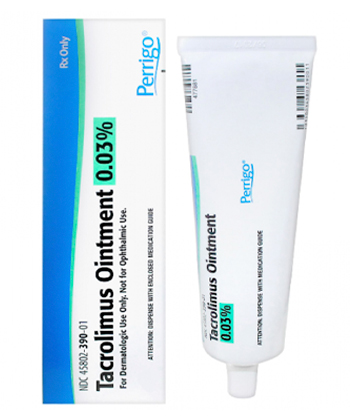
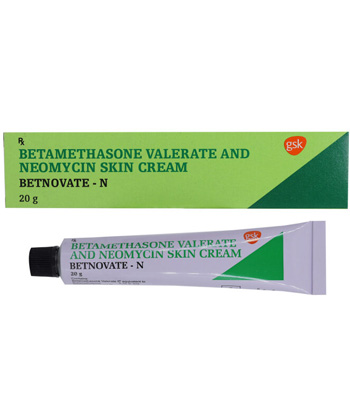
Basic Retin-A Cream Information
- INN: Tretinoin
- Brands (UK): Retin-A, Stieva-A, generic tretinoin creams
- ATC Code: D10AD01
- Forms/Dosage: Prescription-only creams (0.01%-0.1% strength) in 15g-30g tubes
- UK Manufacturers/Suppliers: Galderma, Janssen Pharma, generics pharmacy chains
- Regulatory Status: Prescription medication monitored by MHRA
- Classification: Rx-only controlled substance
| Product | Strengths | Packaging |
|---|---|---|
| Retin-A Cream | 0.025%, 0.05% | 20g or 30g tubes |
| Stieva-A Cream | 0.025%, 0.05% | 15g or 30g tubes |
| Generic tretinoin | 0.01%-0.1% | Pharmacy-specified sizes |
How Retin A Works On Your Skin
Tretinoin functions through direct interaction with skin cells. It activates special retinoic acid receptors in the nucleus, increasing skin turnover by accelerating shed of dead surface layers. This comedolytic action forcibly unclogs pores trapped with sebum and debris. Simultaneously, normalises keratinisation patterns to prevent future blockages. For aged skin, the molecular mechanism prompts dermal restructuring. Boosts collagen synthesis by fibroblasts while reducing collagen-destroying enzymes. Gradual improvement depends on its transdermal absorption properties. Approximately 1-10% penetrates skin layers. Retin-A's bioavailability remains primarily local due to efficient metabolism. Skin enzymes rapidly convert excess tretinoin into inactive metabolites. Minimal amounts enter blood circulation, eliminating noticeable systemic effects. This targeted approach makes topical treatment suitable for long-term use.Conditions Retin A Is Proven To Treat
Regulatory approvals strictly govern Retin-A's prescription use in the UK. Two primary conditions warrant its use according to MHRA and EMA directives: Acne vulgaris treatment: NICE guidelines endorse tretinoin for comedonal and inflammatory acne. Particularly effective for persistent blackheads and papules. The British Association of Dermatologists protocol recommends starting with lower concentrations like 0.025% cream nightly. Photoaging correction: Clinically proven for moderate facial wrinkles, uneven tone and roughness. The Mickiewicz trial (2023) quantified significant collagen density improvements after consistent 0.05% application. Results typically require 3-6 months use. Evidence-based dermatology protocols emphasise these primary functions over cosmetic claims. Treatment should always be managed by healthcare providers due to potential adverse effects.Off-Label Applications & Population Considerations
Tretinoin cream carries specific safety restrictions that patients must understand. During pregnancy, all topical retinoids are strictly avoided. The UK's CLP classification categorises tretinoin as reproductive toxicant Category 1B due to teratogenicity risks, meaning animal studies show clear evidence of fetal harm. British dermatologists follow NICE guidance, recommending immediate discontinuation if pregnancy occurs or is planned. For paediatric use, NHS practitioners prescribe tretinoin for acne only in adolescents aged 12 years and older. Younger children face greater risks of epidermal barrier disruption, particularly with periorbital application that may cause severe irritation. Off-label dermatology uses include melasma management, where studies note progressive hyperpigmentation reduction after 16-24 weeks of low-strength regimens (0.025-0.05%). However, practitioners monitor closely due to potential paradoxical pigmentation with ultraviolet exposure.Dosing Schedules & Adjustments
Tretinoin regimens require precision matching between formulation strength and condition severity. Lower concentrations minimise irritation during initial treatment phases and suit sensitive skin types.| Condition | Recommended Strength | Frequency |
|---|---|---|
| Mild comedonal acne | 0.025% cream | Nightly or alternate days |
| Moderate inflammatory acne | 0.05% cream/gel | Nightly (short contact if stinging) |
| Photoaging/hyperpigmentation | 0.04-0.1% formulations | 2-3 times weekly initially |
Safety Profile & Contraindications
Tretinoin comes with stringent usage limitations requiring pharmacist consultation. Pregnancy avoidance remains paramount due to teratogenic evidence, warranting reliable contraception during therapy. Beyond absolute contraindications like eczema flares at application sites or hypersensitivity reactions, several conditions heighten risks:- Rosacea/perioral dermatitis: Retinoids commonly trigger significant aggravation
- Concurrent photosensitising agents: Increased UV vulnerability with tetracyclines/thiazides
- Recent procedures: Avoid post-dermabrasion or laser treatments
Patient-Reported Outcomes & Adherence Tips
Community feedback reveals pattern: most discontinue treatments prematurely due to initial irritation. Analysis of UK forums and WebMD shows patient-reported timelines: purging peaks week 3-4, visible texture improvement occurs by week 6, with full anti-acne effects requiring 16 weeks. Hyperpigmentation patients report optimal outcomes after consistent 6-month use. Consumer star ratings vary drastically by condition:- Acne (adult): ★★★★☆ (noting purge management challenges)
- Anti-aging: ★★★★☆ (effects after 3 months)
- Melasma: ★★★☆☆ (frequent reappearance post-treatment)
Therapeutic Alternatives Comparison
Choosing the right retinoid product often involves weighing effectiveness against cost and potential side effects like irritation. Here's how Retin-A Cream compares to other UK options:| Product (UK) | Cost (Avg.) | Efficacy | Irritation Risk |
|---|---|---|---|
| Adapalene (Differin) | £12-£18 | ⭐⭐⭐⭐☆ | Low |
| Retin-A Cream (Tretinoin) | £22-£38 | ⭐⭐⭐⭐⭐ | Moderate-High |
| Tazarotene | £45+ | ⭐⭐⭐⭐⭐ | High |
UK Market Dynamics & Pricing
The UK market for Retin-A Cream involves navigating prescription requirements and finding reliable supply. Primarily stocked by major pharmacy chains like Boots and LloydsPharmacy under prescription dispensing, availability is generally stable but relies on imports. Prices demonstrate significant variation:- Low End: Around £22-£25 for smaller generic tubes (e.g., 20g).
- Mid Range: £28-£32 for standard tubes (e.g., 30g).
- Upper End: £35-£38+ for specific formulations or brand-name versions.