
Testosterone topical
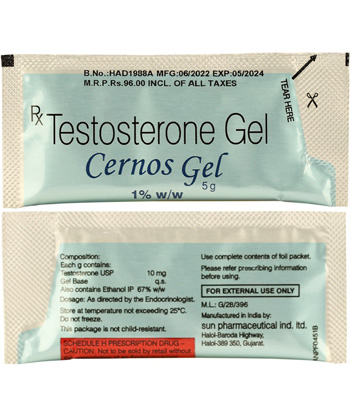
Testosterone topical
- Testosterone topical requires a prescription and is available at pharmacies. We offer discreet international delivery to the EU, UK, and worldwide in 5-14 days.
- Testosterone topical treats male hypogonadism (low testosterone). It works by supplementing natural testosterone levels through skin absorption, restoring hormone balance, libido, muscle mass, and energy.
- For gels: Start at 50 mg once daily (adjust 40-100 mg/day). For patches: 2-4 mg nightly. For nasal gel: 33 mg/day (11 mg/nostril 3x daily). Dosage is adjusted via blood tests.
- Administered as skin gel (applied to shoulders/abdomen), transdermal patches, or nasal gel. Wash hands after application to prevent accidental transfer.
- Begins increasing blood testosterone within hours of application, though symptom relief may take several weeks with consistent use.
- Maintains effects for approximately 24 hours for topical gels and patches, requiring daily application. Nasal gel requires doses every 6-8 hours.
- No direct interaction with alcohol, but excessive consumption may worsen side effects like mood changes or fluid retention. Moderation is recommended.
- Most common side effects include skin irritation/redness at application site, acne, increased body hair, headache, breast tenderness (gynecomastia), and fluid retention.
- Would you like to try Testosterone topical with a prescription?
Trackable delivery
9-21 days
Payment method
Visa, Mastercard, Discovery, Bitcoin, Ethereum
Free delivery (by Standard Airmail) on orders over £150
Related Products:
Product Identification And Brand Names
| INN (International Nonproprietary Name) | Testosterone |
| Brand names in the UK | Testogel, Tostran |
| ATC Code | G03BA03 |
| Forms & Dosages | Gel (sachets, pumps), patch, nasal gel |
| Manufacturers | Besins Healthcare (UK), Kyowa Kirin (UK) |
| Registration status in UK | Approved (MHRA) |
| Classification | Prescription Only (POM) |
Regulatory And Legal Status
Not available OTC – consult GP for eligibility.
Transdermal testosterone holds prescription-only status throughout all UK regions. These Schedule 4 Controlled Drugs require detailed monitoring under MHRA oversight. Breast and prostate cancer histories automatically disqualify patients from therapy under NHS prescribing restrictions. Strict eligibility criteria demand verified hypogonadism through testosterone blood tests below clinical thresholds. Unlicensed online sales of testosterone gels trigger serious legal consequences including prosecution under UK medicines legislation.
Pharmacology Simplified
Skin absorption enables testosterone delivery through topical applications. Once permeating the epidermis, hormones enter capillaries and travel through the bloodstream. Hormone molecules bind to androgen receptors throughout the body, restoring depleted levels in deficient patients. Gel formulations typically yield peak concentrations within two to five hours after application. Continuous daily use sustains balanced levels by compensating for natural metabolic elimination. Testosterone metabolism primarily occurs through CYP3A4 enzymes in the liver tissue. This pathway explains increased risk from alcohol consumption which can impair enzymatic function. Blood concentration maintenance becomes compromised when clearance mechanisms face interruption from competing substances. Hepatic impairment creates unpredictable metabolic outcomes requiring dosage adjustments.Approved And Off Label Uses
Approved Uses
European and American regulators authorise testosterone topical products exclusively for treating hypogonadism in adult males. Symptom relief targets fatigue, reduced libido, mood disturbances and muscle loss. Prescribers must confirm diagnosis through biochemical criteria paired with clinical manifestations. Hypopituitarism cases arising from tumour treatment may also justify transdermal formulation administration after endocrinology consultation.Off-Label Uses
Some practitioners cautiously prescribe testosterone gels for select off-label situations: postmenopausal women experiencing distressing low sexual desire inadequately addressed by estrogen therapy, typically using quarter doses applied to thighs. Gender-affirming hormone regimens sometimes incorporate topical formulations during transgender male initiation phases while titrating toward injectable therapy. These applications remain controversial given limited evidence beyond male hypogonadism indications. Absolute restrictions exclude paediatric populations due to premature epiphyseal closure risks. Pregnancy presents mandatory contraindications given virilisation threats to developing foetal tissues. Diabetic and HIV-positive patients require cardiovascular assessment before therapy initiation given potential exacerbation risks requiring particular vigilance under NHS shared care protocols.Dosage Guidelines by Condition
Treatment protocols vary based on clinical diagnoses. Hypogonadism remains the primary indication for topical testosterone across UK clinics. Starting doses depend on the formulation used and patient health status.| Formulation | Strength | Daily Dose |
|---|---|---|
| Gel (Testogel) | 50mg/5g sachet | Apply 5g to skin |
| Gel (Tostran) | 2% (20mg/g) | Apply 3 pumps (60mg) |
| Nasal Gel (Natesto) | 4.5mg/actuation | 1 pump per nostril, 3x/day |
| Patch (Testopatch) | 4mg/24h | One patch nightly |
Administration Steps & Adaptations
Correct application prevents accidental transfer and ensures absorption. Follow these essential steps:
Step-by-step gel routine:
- Cleanse application area (shoulers/abdomen) with mild soap
- Squeeze prescribed gel amount onto palm
- Apply immediately using spreading motion
- Thoroughly wash hands with soap afterwards
- Cover treated area with clothing
Avoid skin-to-skin contact until gel dries completely (minimum 30 minutes)
Elderly users experiencing ankle oedema reduce doses cautiously under supervision. For missed doses, skip forgotten applications rather than doubling subsequent amounts. Store products below 30°C far from children's reach. Refrigeration remains unnecessary.
Absolute & Relative Contraindications
Certain conditions prohibit testosterone use entirely while others need stringent oversight.Absolute Contraindications
Never use topical testosterone with confirmed prostate/breast malignancy or during pregnancy infertility treatment.Relative Contraindications
Require clinical monitoring:- Untreated severe sleep apnoea
- Cardiovascular disease requiring frequent assessment
- Benign prostatic hyperplasia checklist
NHS protocols mandate BP/Hb checks every 3 months. GPs document digital prostate examinations annually.
Side Effects: Common to Critical
Reactions vary considerably in both frequency and seriousness.| Severity | Effects | Occurrence Range |
|---|---|---|
| Common | Application site reactions, acne breakout, hair growth changes | 10-25% users |
| Serious | Erythrocytosis requiring venesection, sleep apnoea worsening | Approximately 5% users |
| Critical | Hyperviscosity syndromes, myocardial infarction, deep vein thrombosis | Reported in <1% |
Real Patient Feedback on Testosterone Topical Treatments
Feedback from UK users highlights the real-world experience of using testosterone gels. Many report positive changes:- "My energy levels returned within weeks, felt like myself again." Users frequently mention improved mood and increased libedo as significant benefits, aligning with some clinical findings.
- "Applying the gel daily became routine, much simpler than injections." The convenience factor is a major plus for topical treatments compared to other testosterone replacement therapy methods.
Testosterone Topical vs Alternative Treatments in the UK
Patients considering testosterone replacement therapy in the UK have options beyond topical gels. Understanding the key differences helps guide choices, especially under NHS guidelines or private prescriptions. Each method carries distinct benefits and potential drawbacks.| Treatment | Frequency | Cost in UK | Cautions |
|---|---|---|---|
| Testosterone Topical Gel (Testogel®) | Daily application | Approx £25-£35/month (NHS) | Risk of skin transfer to others, skin irritation reported |
| Nebido® Injection | Every 10-14 weeks | Approx £300 per dose | Initial testosterone surge post-injection, injection site pain |
| Sustanon® Injection | Every 3-4 weeks | Approx £15 per dose | Shorter peaks/troughs than Nebido, fear of needles common |